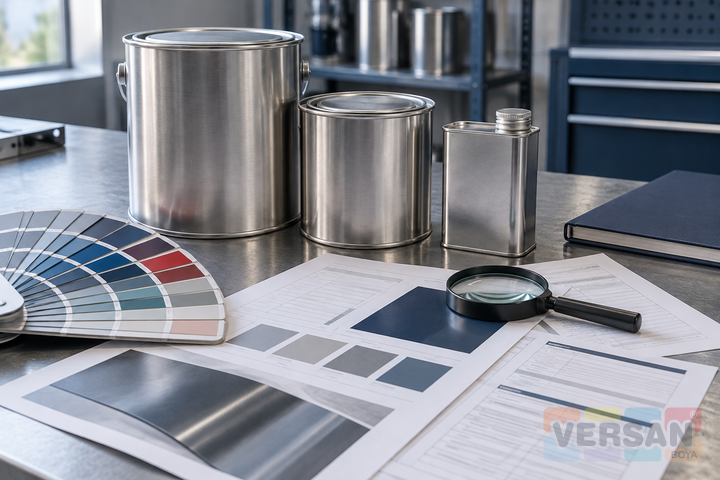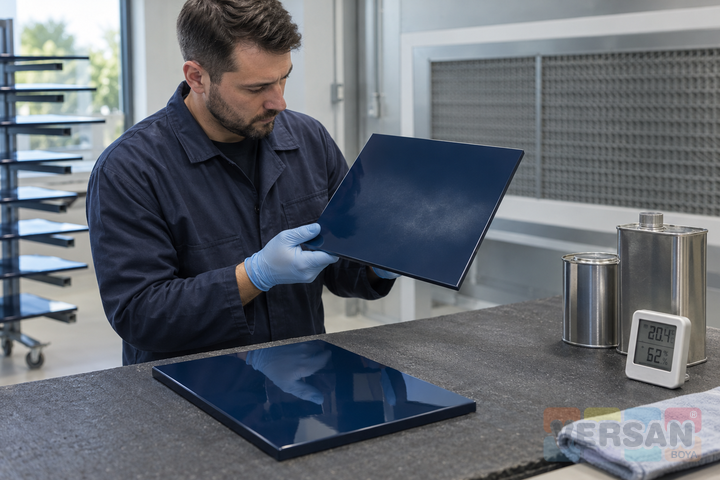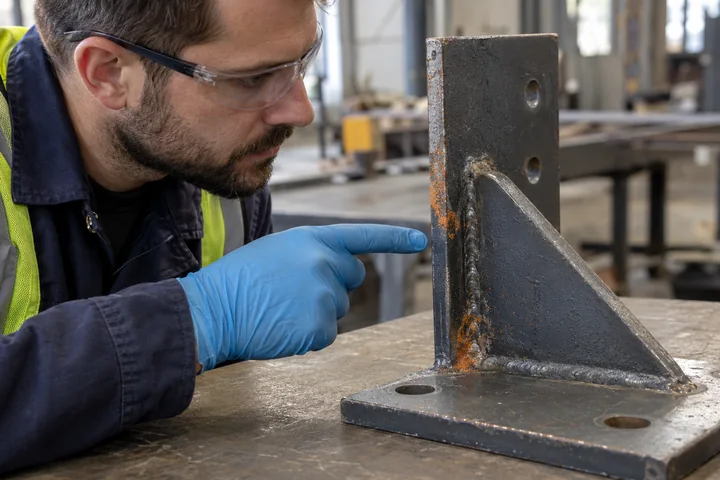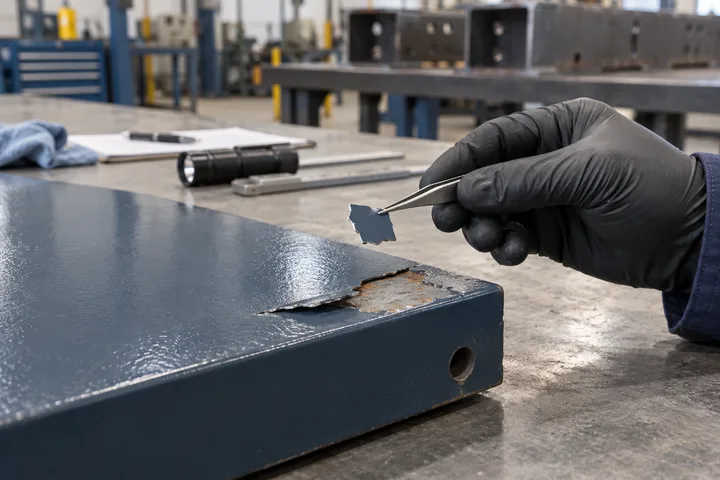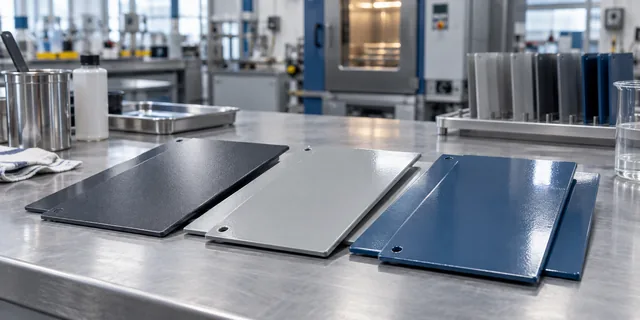
Industrial Coating Quotations: Excluded Work and Later Additions
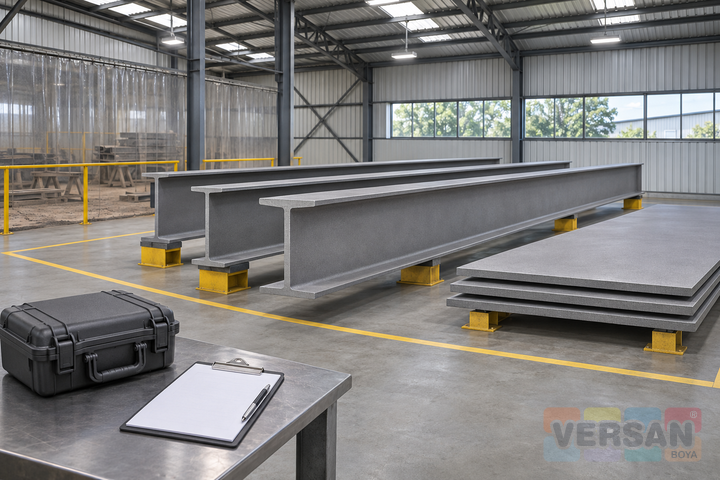
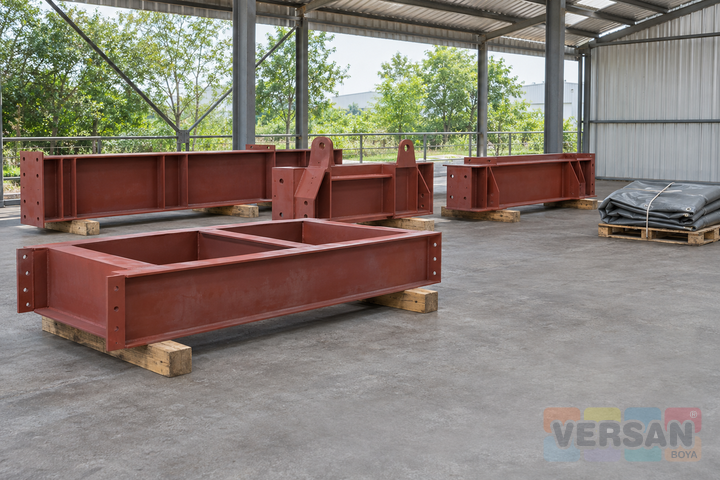
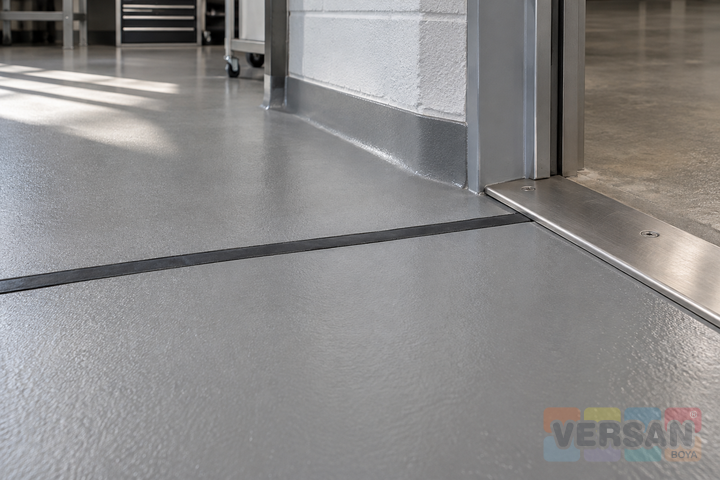
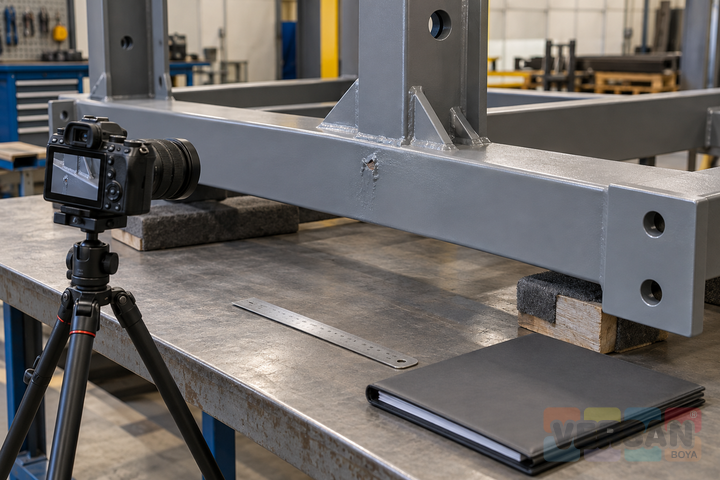
Define dismantling, masking, access, waste and repair boundaries in coating quotations, and assess later additions with traceable work records.
Read publicationCoating technologies, material selection and practical guidance. Explore the knowledge behind lasting surface protection.
Find the right perspective for your next project.
Define dismantling, masking, access, waste and repair boundaries in coating quotations, and assess later additions with traceable work records.
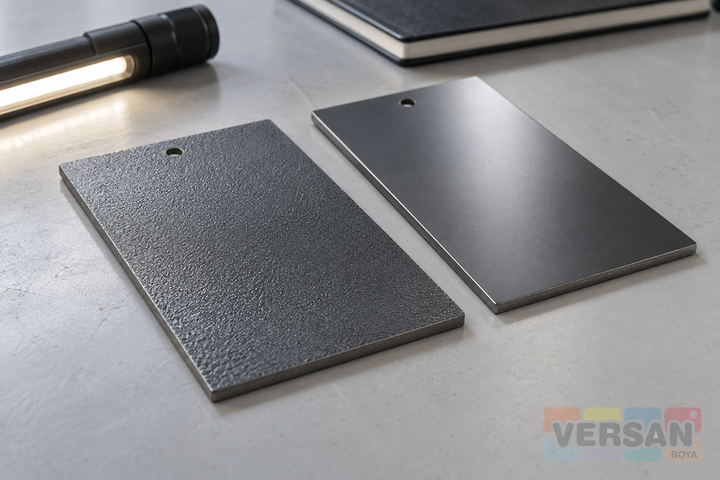
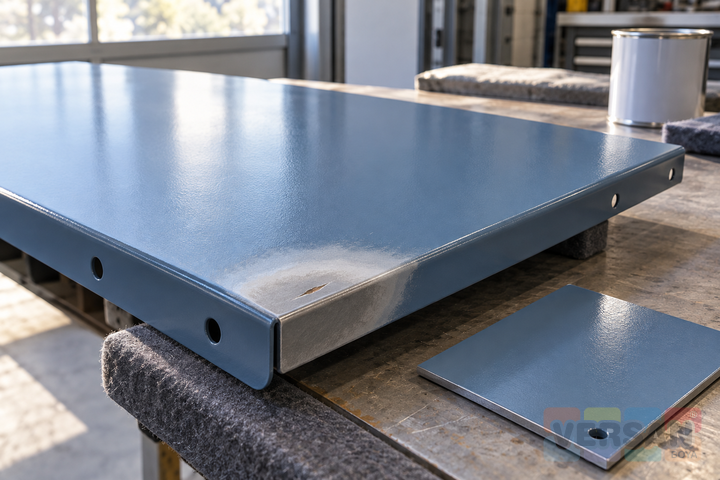
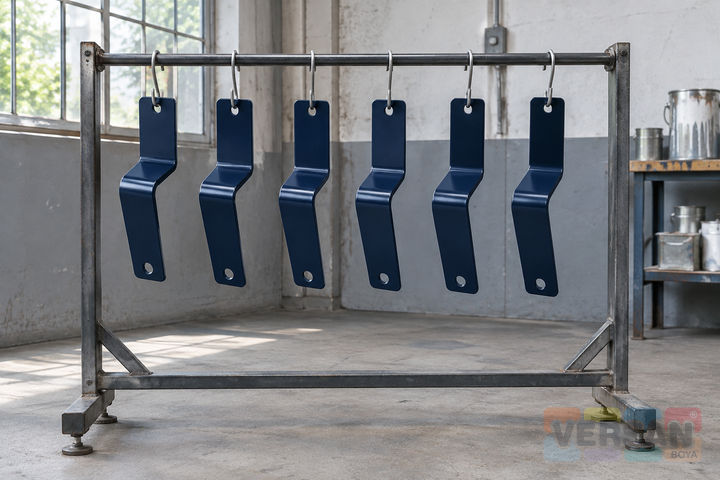
Read publicationAssess hanger, support and handling contact on quick-drying painted metal parts through trial components, visible-surface boundaries and mark records.
Read publicationManage the interval between steel surface preparation and epoxy priming through reinspection, contamination checks, environmental records and release decisions.
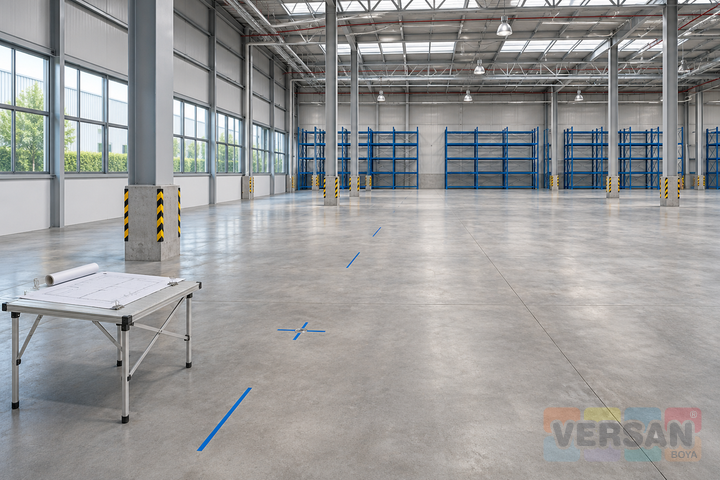
Read publicationTransfer an approved warehouse marking layout through reference points, a symbol schedule, controlled revisions and clearly defined work stages.
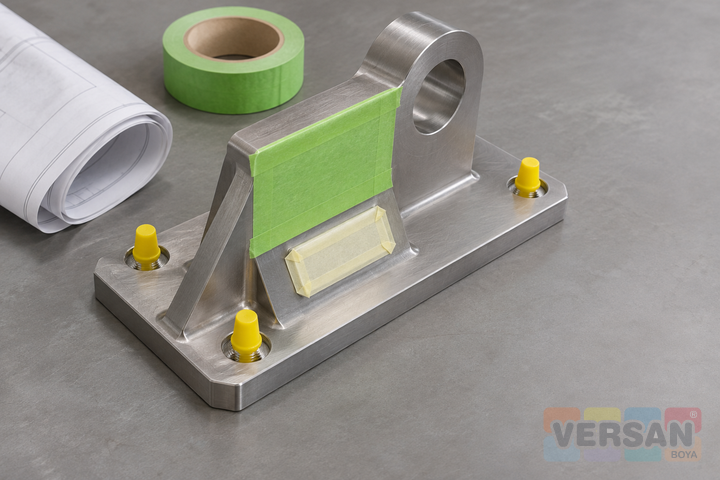
Read publicationPlan threaded features, labels and mating surfaces before metal coating using drawing revisions, masking material identification, inspection points and handover records.
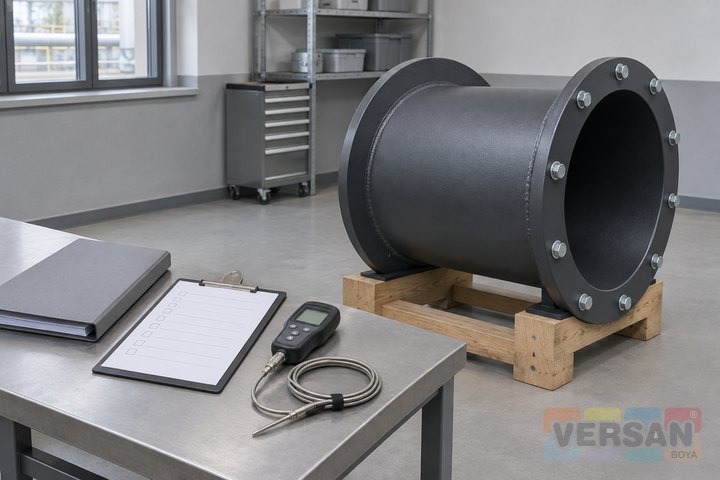
Read publicationBring product documents, application history, unresolved technical questions and operational handover evidence together before first heating a heat-resistant coating.
Read publicationCompare epoxy coating quotation versions using scope, technical requirements, quantities, attachments and approval records while retaining the decision history.
Read publicationReview storage history, contact marks, potential water traps and outstanding release decisions for newly antirust-coated parts before dispatch.
Read publicationDefine existing conditions, detail approvals, trade boundaries and handover responsibilities for epoxy floor joints, drains and thresholds before application.
Read publicationBuild a traceable maintenance record for outdoor polyurethane-coated surfaces using defined locations, cleaning observations and consistent comparison conditions.
Read publicationDocument chemical identity, contact mode, temperature, cleaning cycles and evidence limits before requesting an epoxy coating resistance assessment.
Read publicationBuild an industrial coating defect record with a photograph sequence, location, batch and time data while separating observations, causes and repair decisions.
Read publicationBuild an epoxy thinner enquiry around coating and component identity, application method, condition records, current documents and an explicit quotation scope.
Read publicationDefine a furniture varnish renewal quotation using condition records, service requirements, physical appearance samples, scope options and agreed acceptance.
Read publicationAssess rough spray finishes through coating and thinner identification, equipment and environment records, controlled trial panels and defined acceptance criteria.
Read publicationCoordinate paint supply across sites with retained colour references, batch-to-area allocation, staged dispatch, receipt checks and controlled changes.
Read publicationRecord scratches on clear-finished timber, establish the existing coating, and assess substrate damage, sheen and trial boundaries before choosing a local repair.
Read publicationBuild a comparable ship coating quotation file from exposure zones, existing coating evidence, substrate condition, controlled technical documents and acceptance records.
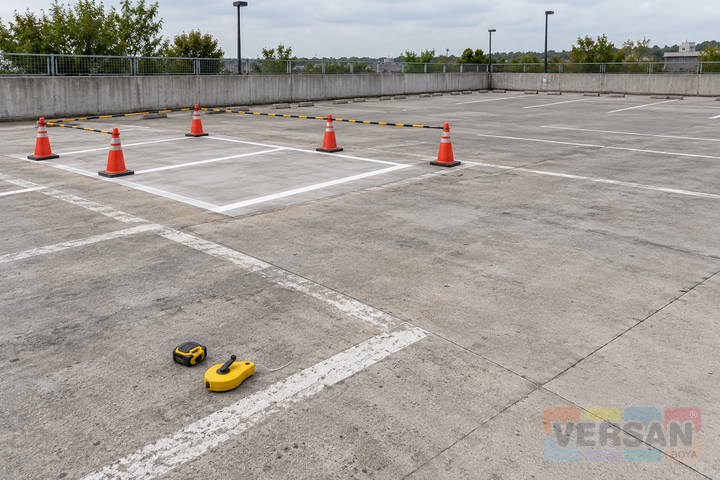
Read publicationCompare parking line renewal quotations through marking quantities, existing coating condition, surface preparation, work phases and handover records.
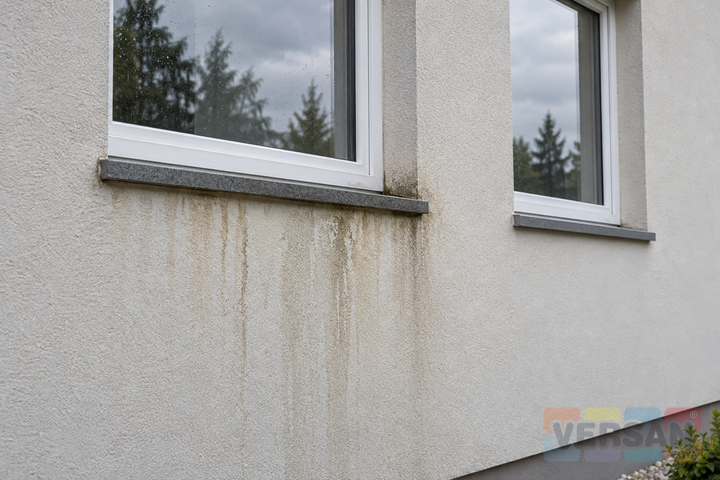
Read publicationInvestigate post-rain facade stains through runoff paths, surface residue, moisture and coating condition before selecting cleaning, repairs or repainting.
Read publicationPlan repainting in occupied homes and workplaces with room phasing, furniture protection, substrate checks, coating sequence and documented handover.
Read publicationAssess yacht timber edges, end grain and fixing details separately, connecting wood condition, drainage, coating access and maintenance records.
Read publicationEvaluate synthetic thinner and alkyd paint batches through small samples, comparable application conditions and traceable appearance and drying records.
Read publicationPlan maintenance of alkyd painted metal and wood using condition records, local repair assessment and clear decisions about wider renewal.
Read publicationPlan release, packing, transport and first care of polyurethane varnished furniture with product specific instructions and traceable component records.
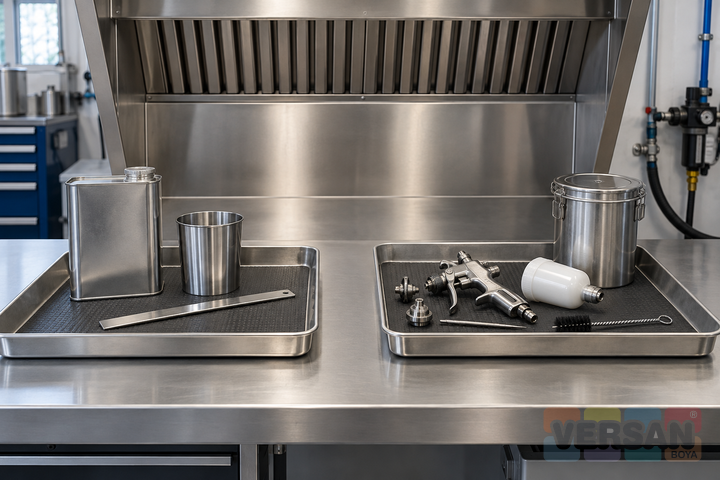
Read publicationSeparate paint dilution from equipment cleaning through product compatibility checks, clean material control, residue inspection and distinct work records.
Read publicationPlan furniture finishing checks for door faces, edges, profiles and joints with representative samples, clear process records and practical acceptance criteria.
Read publicationCompare warehouse epoxy flooring quotations through preparation scope, repairs, operating disruption, return to traffic and documented acceptance requirements.
Read publicationControl workshop colour changes through equipment cleaning, material segregation, trial panels and documented sample approval for nitrocellulose paint.
Read publicationBuild an exterior painting weather window by considering rain, humidity, substrate temperature, sunlight and the full drying sequence together.
Read publicationCompare industrial coating quotations on a consistent basis for materials, preparation, application, access, downtime and future maintenance scope.
Read publicationAssess sagging, dry spray and hiding in rapid enamel through substrate checks, equipment condition, mixing records and controlled application trials.
Read publicationOrganise epoxy primer acceptance before topcoating through cleanliness, film condition, curing records, thickness inspection and verified repairs.
Read publicationEvaluate old road markings through visibility, existing-film adhesion, material compatibility, removal decisions and representative maintenance trials.
Read publicationCompare metal coating choices through substrate identity, exposure, preparation, primer compatibility and representative trials for three different metal surfaces.
Read publicationSeparate colour change, cracking and adhesion loss in heat-resistant coatings using operating history, coating build, preparation records and a structured investigation.
Read publicationSeparate net area, coating consumption, application loss and pack rounding to compare epoxy quotations on a consistent quantity and total-cost basis.
Read publicationDistinguish sound coating, loose edges and rust on old antirust primer; use coating identity, preparation and a representative trial to define maintenance.
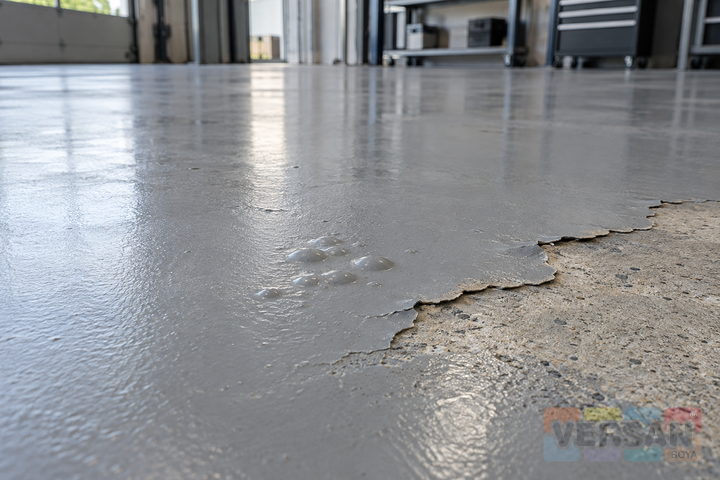
Read publicationDistinguish blisters and peeling in epoxy floors through moisture assessment, failure-plane evidence, application records and a controlled repair trial.
Read publicationAssess polyurethane touch-up and recoating through existing coating identity, surface preparation, intercoat compatibility and a documented trial.
Read publicationAssess damage boundaries, transitions into sound epoxy coating and appearance matching, with a practical approach to trials, records and repair acceptance.
Read publicationConnect incoming materials, surface preparation, application, measurement and dispatch decisions through a traceable industrial coating inspection plan.
Read publicationBase epoxy thinning decisions on the product code, mixing sequence, application method and current data sheet, with clear records for pot life, additions and trials.
Read publicationOrganise final furniture-varnish inspection around approved samples, consistent lighting, face and edge checks, defect records and clear acceptance decisions.
Read publicationMatch acrylic thinner by the exact coating code, component structure, application method and current technical documentation rather than the family name alone.
Read publicationDefine product codes, quantity units, pack sizes, colours, batches and delivery stages in one practical file for bulk coating procurement and receiving.
Read publicationDistinguish wood pores, filler preparation and sanding marks; define the intended nitrocellulose finish through representative samples and a controlled coating sequence.
Read publicationTurn decks, above-water hull sides and superstructure into separate maintenance work packs with defined condition surveys, access, coating systems and inspection records.
Read publicationBuild a clear road marking quantity takeoff by distinguishing line length, net symbol area and painted surface before comparing consumption, packaging and quotations.
Read publicationDistinguish absorbency, wetting, moisture and surface soundness when surveying old facades; plan primer selection and representative site trials.
Read publicationEvaluate interior paint under daylight and artificial lighting, distinguishing colour, sheen and substrate defects through sampling, inspection and acceptance planning.
Read publicationDistinguish dullness, cracking, lifting and timber discolouration in yacht varnish; document evidence before choosing maintenance, local repair or refinishing.
Read publicationAssess synthetic thinner quantity through flow, hiding and drying. Establish a measurement basis, controlled additions and comparable test panels.
Read publicationDistinguish brush marks from sagging in synthetic enamel, then assess substrate preparation, brush loading, thinning and application conditions.
Read publicationEvaluate polyurethane sanding sealer and clear topcoat compatibility through substrate preparation, intercoat control and a documented production trial.
Read publicationUnderstand how solvent compatibility, evaporation, viscosity and application conditions guide nitrocellulose thinner selection and finish evaluation.
Read publicationTurn furniture coating colour, texture and gloss into clear acceptance criteria using physical samples, controlled lighting, substrate records and revision control.
Read publicationTranslate cracks, moisture and existing coating findings into an epoxy floor quotation with clear testing, quantities, preparation, repair and uncertainty allowances.
Read publicationDistinguish nitrocellulose paint blushing from gloss loss using environmental, thinner and application records, controlled trials and clear repair decisions.
Read publicationAssess exterior paint powdering and blistering separately; verify moisture sources, existing coating soundness, cleaning and primer decisions before repainting.
Read publicationCompare industrial paint quotations on the same basis: product identity, complete kits, coverage, coat build-up, delivery and acceptance, with unresolved assumptions clearly recorded.
Read publicationSeparate touch drying from assembly, stacking and packaging readiness in quick-drying industrial paint, using representative parts and controlled production release checks.
Read publicationAssess coating records, surface condition and system compatibility before overcoating aged epoxy primer; organise controlled preparation, trial application and release.
Read publicationPlan car park markings through survey, surface preparation, measured quantities, trial application and traffic release; resolve coverage uncertainty before purchasing.
Read publicationManage steel edges, welds and difficult details before painting; connect fabrication release, surface preparation, stripe coating and final coating acceptance.
Read publicationSelect heat-resistant coatings using metal surface temperature, dwell time, thermal cycling, moisture exposure and commissioning conditions, rather than a single peak figure.
Read publicationCompare epoxy quotations through complete sets, practical consumption, surface preparation, application, logistics and acceptance scope to understand total project cost.
Read publicationInvestigate early corrosion by mapping defects, preparation records, edges, welds, film continuity and coat compatibility; develop an evidence-based repair plan.
Read publicationAssess moisture, surface integrity, existing coatings and joints before coating an existing concrete floor with epoxy; turn the survey into a controlled trial and acceptance plan.
Read publicationTransfer an approved polyurethane coating sample into production by controlling colour references, gloss measurement, primers, application conditions and batch traceability.
Read publicationPrepare an epoxy coating quotation request with clear substrate, exposure, coating-system, area and pack information, resolving uncertainties before ordering.
Read publicationAssess industrial coating bids through an evidence matrix covering product equivalence, document scope, sample approval, deviations and acceptance requirements.
Read publicationInvestigate epoxy coating adhesion loss through surface preparation, intercoat conditions, mixing records, inspection evidence and repair planning.
Read publicationPlan industrial coating sample approval with clear material identification, preparation records, appearance checks, inspection and production handover.
Read publicationA practical guide to selecting interior paint by room traffic, cleaning expectations, lighting and substrate preparation.
Read publicationAssess epoxy, polyurethane, acrylic and quick-drying systems in detail when selecting industrial coatings, considering the substrate, UV exposure, chemical contact and production conditions.
Read publicationA detailed industrial coating application guide covering metal surface preparation, oil, salt and dust control, blast profile, and wet and dry film thickness measurement.
Read publicationSelecting epoxy coatings for factory and warehouse floors: explore concrete moisture, surface preparation, forklift traffic, chemical resistance, joints and maintenance planning.
Read publicationExplore selection criteria for water-based and high-solids industrial coatings, including VOC, drying, energy, transfer efficiency, waste management and system suitability.
Read publicationExamine orange peel, cratering, blistering and adhesion problems in industrial coatings through film thickness checks, environmental measurements and controlled trials.
Read publicationDevelop a workable steelwork coating specification covering exposure, preparation, edges, welds and primer–finish compatibility.
Read publicationReduce specification errors by assessing topsides, decks, the waterline and immersed areas separately during boat maintenance.
Read publicationEvaluate furniture varnish by sheen, timber appearance, handling, cleaning and production conditions.
Read publicationChoose thinner by coating code, application method and approved product pairing, distinguishing reducers from cleaning solvents.
Read publicationCompare alkyd-family options through application speed, substrate, appearance and maintenance requirements.
Read publicationEvaluate rain, sunlight, moisture sources, existing coatings and primer compatibility when specifying exterior paint.
Read publicationEvaluate drying speed, handling strength, colour consistency and rework cost when specifying machinery and equipment coatings.
Read publicationManage visible corrosion, soluble contamination, surface profile and recontamination as separate checks in marine steel maintenance.
Read publicationManage absorbency, profiles, filling and dust on MDF faces and edges to achieve a consistent finish.
Read publicationControl dilution by monitoring measurement temperature, application behaviour, target film build and consumption together.
Read publicationBuild a controlled maintenance system by distinguishing corroded areas, sound old paint and primer selection.
Read publicationUpdated environmental criteria bring low emissions, indoor air quality, verified durability and product life into a single assessment framework.
Read publicationExposure category, surface preparation, coating build-up, site inspection and scheduled maintenance are addressed within one protection strategy.
Read publicationA detailed preparation plan distinguishing filling, sanding, cleaning and priming on new plaster, concrete and refurbished walls.
Read publicationEvery stage, from steel preparation and stripe coating to climate control and dry film measurement, creates a traceable record for the operational period.
Read publicationBoat speed, time at berth, operating waters, hull material and dry-docking plans are the key inputs for selecting the right antifouling system.
Read publicationSanding, mixing, viscosity, spraying and drying parameters are managed within a single process window to reduce rework.
Read publicationA project checklist for concrete preparation, moisture assessment, forklift loads, joints and commissioning in industrial floors.
Read publicationAssess existing varnish, joints, moisture and maintenance access when preserving the clear finish of yacht timber.
Read publicationExamine dust, airflow, handling and stacking from the spray booth to packaging in furniture finishing.
Read publicationPlan cleaning purpose, solvent compatibility and residue checks for guns, hoses and mixing equipment during changeovers.
Read publicationInvestigate alkyd and synthetic coating defects by separating surface dryness, film build and recoating timing.
Read publicationPlan decorative walls around pattern scale, lighting, substrate preparation and applicator technique for a consistent finish.
Read publicationSeparate material, substrate, equipment and environmental causes to investigate coating defects through controlled trials.
Read publicationSeparate primer and finish functions on above-water marine metalwork, with clear requirements for appearance, cleaning and repairs.
Read publicationCompare timber protection products by function, substrate condition, desired appearance and service exposure.
Read publicationCreate a traceable mixing process by managing base, hardener, measurement basis, working life and thinner separately.
Read publicationManage primer, finish, thinner, actual cycle time and accepted output together in quick-drying industrial coating processes.
Read publicationBuild a realistic refurbishment budget using net area, coat count, substrate losses, room schedules and maintenance records.
Read publicationCompare industrial coating quotations using preparation, system scope, consumption, downtime and maintenance costs.
Read publicationOrganise scope, uncertainties, inspection hold points and handover records for vessel and marine-equipment coating maintenance.
Read publicationPlan furniture refinishing around the old film, cleaning residues, preparation and realistic appearance expectations.
Read publicationReduce mixing errors through product identification, packaging selection, opened-container records and point-of-use control.
Read publicationIdentify coded alkyd products correctly and assess the ALKD-70010 primer record against substrate, finish compatibility and maintenance requirements.
Read publicationA research report from 2015 presented experimental findings on using spent tea leaves from production to colour textiles.
Read publication
News
The regulation at the time addressed the framework for 40 occupations in hazardous and highly hazardous work for which certification became mandatory.
Archive note
News
Market assessments at the time indicated expectations of growth in Türkiye’s paint industry above the European average.
Archive note
News
This 2015 archive report described research into a water-based primer reportedly developed for electromagnetic shielding; performance claims require current technical validation.
Archive note