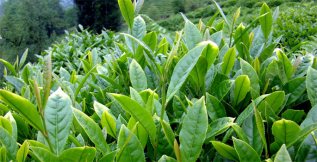
The study, reportedly conducted by the Natural Dyes Application and Research Centre of the Faculty of Arts and Sciences at Gaziosmanpaşa Üniversitesi, examined the potential for using residue generated after production at tea factories to colour textiles.
This content is an editorial summary of a 2015 news report sourced from Anadolu Ajansı and quoting Prof. Dr. Adem Önal. It is not an industrial performance claim or a current product recommendation. Read the archived report.
Waste becomes a raw material for dyes
According to information shared at the time with the news agency by the centre's director, Prof. Dr. Adem Önal, the research was inspired by the stains tea leaves on fabric and involved experimental applications on cellulose-based and protein-based fibres.
The report stated that laboratory work was followed by trials on larger textile items such as shirts and shawls, and that different shades were observed by adjusting processing parameters.
Positive experimental results were reported on cotton and synthetic fibres, despite the low proportion of dye compounds in waste tea.
Summarised from Prof. Dr. Adem Önal's statement to Anadolu Ajansı in 2015.
Combining colour fastness with shade control
The report described the use of mordanting to help natural dyes bind to fibres and the assessment of colour fixation on experimental samples.
It stated that work had been undertaken to lighten or darken shades, or produce different colour characteristics, by changing the processing parameters.
Tea residue already used as fertiliser gains a second, higher-value application as a textile dye.
A new route towards sustainable production
Using the natural colouring compounds in tea residue offers an approach worth examining in research into converting waste into value-added inputs.
Assessing industrial feasibility requires standardised testing to verify process efficiency, colour reproducibility, fastness, occupational health and environmental impact data. This content should therefore be treated as an archived summary of a 2015 research report.