Heat-resistant paint selection often begins with a single question: “What temperature can it withstand?” That question matters, but it does not describe the complete duty. Two pieces of equipment may reach the same maximum temperature while one remains hot for days and the other experiences brief peaks followed by cooling. Water exposure, chemicals, insulation and the commissioning sequence can also change the conditions encountered by the coating. A product's temperature statement therefore needs to be read within the actual operating scenario.
When assessing Nanomix heat-resistant paint, first define the temperature profile of the coated metal surface and its environmental exposure. The site's technical catalogue archive is an official product-family reference, but an archived figure is not unconditional approval of a current formulation for every substrate, colour and operating cycle. This article does not restate a product performance limit. It provides a selection framework through which procurement, maintenance and application teams can describe the same service conditions and request a technically meaningful recommendation.
1. Separate process temperature from the temperature of the coated metal
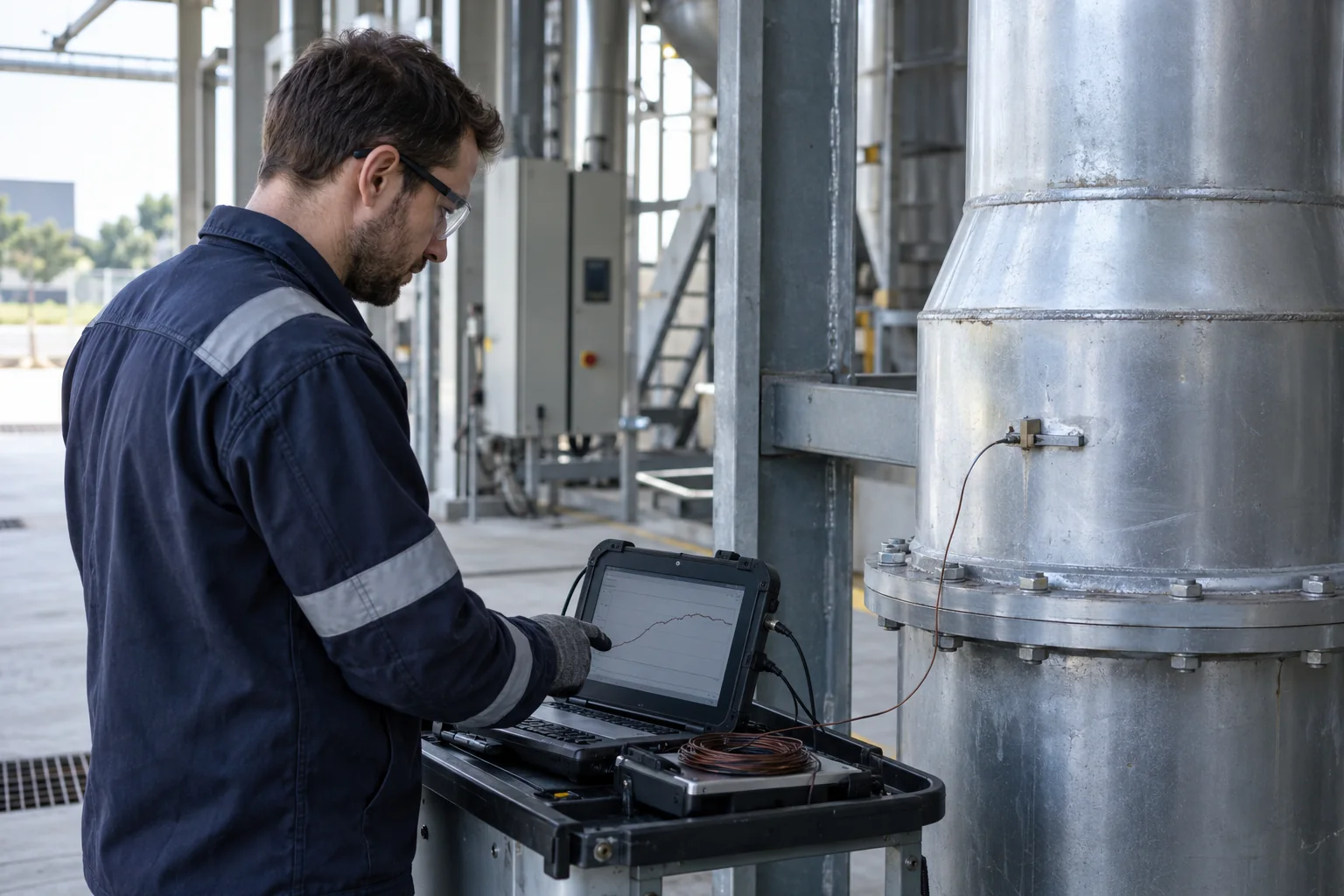
The temperature quoted for a furnace atmosphere, fluid inside a pipe or exhaust gas may differ from the temperature of the external metal carrying the coating. Wall thickness, heat transfer, insulation, airflow and operating load affect that relationship. Identify which temperature has actually been measured. An expression such as “line temperature” can be too ambiguous for a coating specialist to assess the relevant surface conditions.
The heat-resistant paint guide explains the product category; project selection also requires defined measurement locations. A straight pipe section, bend, flange, connection or support near a hot zone may experience different surface temperatures. Record equipment location, measurement method and operating state with the readings. Non-contact measurement can be affected by surface emissivity and instrument settings, so its suitability should be assessed by competent personnel. A photograph or an isolated reading is not a substitute for a data set representing the operating profile, including relevant variations in load and location.
2. Describe continuous service against the actual operating load
Continuous thermal service means more than equipment running for an extended period. For the coating, the metal temperature range, time within that range and changes in environmental exposure are important. Operating records may distinguish normal load, reduced load and periods of intensive production. A daily average can conceal recurring higher surface temperatures, while the maximum recorded value does not describe the conditions encountered for most of the operating period.
For an industrial coating system enquiry, supply the usual operating range, dwell time and the period covered by the records. Existing equipment may have useful temperature history in the maintenance files. For new equipment, distinguish design assumptions from values not yet measured in operation. Retain the version of the information used for technical approval. If output increases or fuel changes later, the previous selection should not automatically be assumed valid. The changed duty needs review against the conditions on which the original recommendation was based.
3. Report intermittent temperature peaks with duration and frequency
Intermittent high-temperature duty does not simply mean exceeding a stated continuous service condition whenever required. The duration of a peak, how often it occurs and the subsequent cooling behaviour matter alongside its magnitude. If a product has an intermittent temperature statement, read it with the conditions in its technical documentation. A figure published for another product cannot be transferred to every coating that belongs to a broadly similar binder family.
In a metal painting assessment, describe what causes the peak. A normal load change is not the same scenario as uncontrolled overheating during a malfunction. An event associated with the plant's safety systems should not be presented as an ordinary coating service requirement without proper engineering review. Record measured or estimated peak duration, recurrence and the reliability of the underlying information. Mark missing data as an assumption rather than concealing the uncertainty by selecting the highest number in a catalogue. A meaningful technical response depends on knowing which operating events the proposed system is expected to accommodate.
4. Treat heating and cooling cycles as a separate selection requirement
Two units can reach the same peak temperature while one shuts down rarely and the other heats and cools during every shift. The metal and coating form a system that must respond to those changes. Define the starting and ending temperatures, heating and cooling behaviour, dwell periods and frequency of repetition. A single peak figure cannot explain this moving duty or distinguish a gradual operating change from a much faster transition.
When reviewing the coating product range, request assessment of suitability for the relevant cycle. A continuous temperature statement is not automatically a test result or approval for cyclic service. Include planned shutdowns and common short interruptions in the operating description. If a representative trial is needed, the outcome from a flat panel held at constant temperature does not establish performance across all cycles of the actual equipment. The responsible specialists should define the trial and document which conditions it covers, which remain untested and how the findings can be applied to production equipment.
For example, routine shutdown between shifts and maintenance after a long operating campaign describe different cycles. This distinction is a way to organise data, not a prediction of coating performance. Marking startup, stable operation and shutdown within the operator's records makes it clear which event each reading represents. When the cycle changes, compare the complete time history rather than only the new peak. A seemingly small operational adjustment can then be reviewed instead of disappearing from the technical file.
5. Consider cold shutdown periods alongside hot operation
Equipment used at elevated temperature can remain cold during maintenance or a production interruption. Ambient humidity, rain, condensation or cleaning may then impose a different exposure on the coating. A surface that is dry during normal operation is not necessarily dry throughout its service history. For outdoor plant and equipment subject to temperature transitions, include the length and environmental conditions of cold shutdowns in the selection information.
Coating terminology distinguishes heat resistance, corrosion protection and chemical resistance. A temperature statement should not be assumed to guarantee all those properties together. Describe maintenance washing, substances reaching the surface and whether the equipment is indoors or outdoors. Reheating a wet surface and locations where water can collect require attention in the service review. The relevant question extends beyond what happens while the plant is hot: it includes what the coating encounters during stopping, cooling, cleaning and restarting. Omitting those periods can leave an otherwise detailed operating specification incomplete.
6. Distinguish insulated equipment from exposed metal surfaces
A coating beneath insulation can face access and moisture conditions unlike those of a visible hot surface. Water entering an insulation system, collecting locally and allowing damage to develop out of sight requires separate assessment. Corrosion under insulation cannot be resolved by a temperature limit alone. Equipment design, water entry locations, insulation installation, coating selection and maintenance access all belong in the engineering review.
An industrial coating selection file should identify whether the surface is insulated, when insulation will close access and where inspection points are available. Information about a high-heat product on an exposed surface is not approval for use beneath insulation. The project's engineering team must identify any required qualification or test evidence for that duty. Hempel's public CUI and high-heat approach distinguishes insulated and uninsulated service conditions. Qualifications belonging to another manufacturer's products are not certificates or performance evidence for Nanomix; they show why the application category must be defined precisely.
7. Assess the entire system, including primers and existing coatings
Acceptance of a finish for elevated temperature does not establish that every primer or old coating beneath it is also suitable. Review preparation, primer where required, intermediate coats and finish as a complete system. If a product instruction describes direct-to-metal application, that wording should not be interpreted as permission to insert any preferred primer beneath the coating. The selected layer arrangement needs its own technical basis.
For example, normal service information for an epoxy topcoat does not automatically qualify it for a high-temperature system. Each product has its own duty and limitations. The coating system specification approach can help organise the system description, but the product combination on hot equipment requires separate confirmation. During maintenance over an existing film, investigate the old system's identity, adhesion and temperature history. An unidentified layer should not be accepted for a new thermal duty merely because it appears intact before the equipment is returned to service.
8. Keep application temperature separate from service temperature
A cured film's resistance to elevated temperature does not demonstrate that the product can safely be applied to hot equipment. Surface temperature during application, ambient conditions, ventilation, material behaviour and occupational safety are separate requirements. Applying paint before the equipment has been isolated and suitable maintenance conditions established raises issues beyond product selection. Hot-surface application should only be considered when the product and the proposed procedure have been specifically assessed for it.
Nor should the preparation instructions for an epoxy primer or another product be copied into a high-heat paint procedure. Use the selected product's current requirements for preparation, film thickness, thinning and intercoat intervals. Where Turkish and English thinning statements differ in an archive, operators should not choose between the figures themselves; request current clarification from the manufacturer. Application records should include measured surface conditions and the document revision used. Those records later help distinguish a service-profile issue from one associated with preparation or application.
9. Do not equate heat resistance with fire protection or a non-combustibility class
Coating a hot surface during normal operation and protecting a structural member during a fire are different technical objectives. A temperature expression attached to heat-resistant paint does not establish a fire resistance period, structural protection capability or construction material classification. If the project requires such performance, the design, testing, classification and system scope need a separate assessment. The word “heat” in a product category cannot establish fire performance.
The distinction between fire-protective paint and the expression non-combustible paint is consequently important. Different products appearing on the same archived catalogue page do not share one technical approval merely because they share a page. Fire safety specifications must be based on requirements established by the responsible project professionals. This thermal-service guide is not a product qualification decision for a fire protection design, and it cannot replace the assessment or supporting evidence required for that purpose.
10. Separate touch drying from readiness to return to service
A film that feels dry may not yet be ready for equipment to reach its operating temperature. Distinguish the selected product's drying, hardening and, where applicable, heat-curing requirements. High-temperature coatings should not all be assumed to follow the same commissioning programme. Initial heating, any required waiting periods and ventilation conditions must be established from current product instructions together with the facility's operating procedure.
The maintenance schedule should identify application completion, inspection, any required curing stages and release to operations as separate milestones. A drying value at an archived ambient condition does not guarantee the same result or return-to-service time at the actual plant. Film build, application conditions and system structure matter to that decision. Written commissioning release between the equipment owner and coating contractor makes responsibility clearer than a general statement that “painting is finished.” Define what should be observed during initial operation and how a nonconformity is handled, so uncertainty is not resolved by an improvised change to the operating sequence.
11. Link samples and acceptance criteria to the intended duty
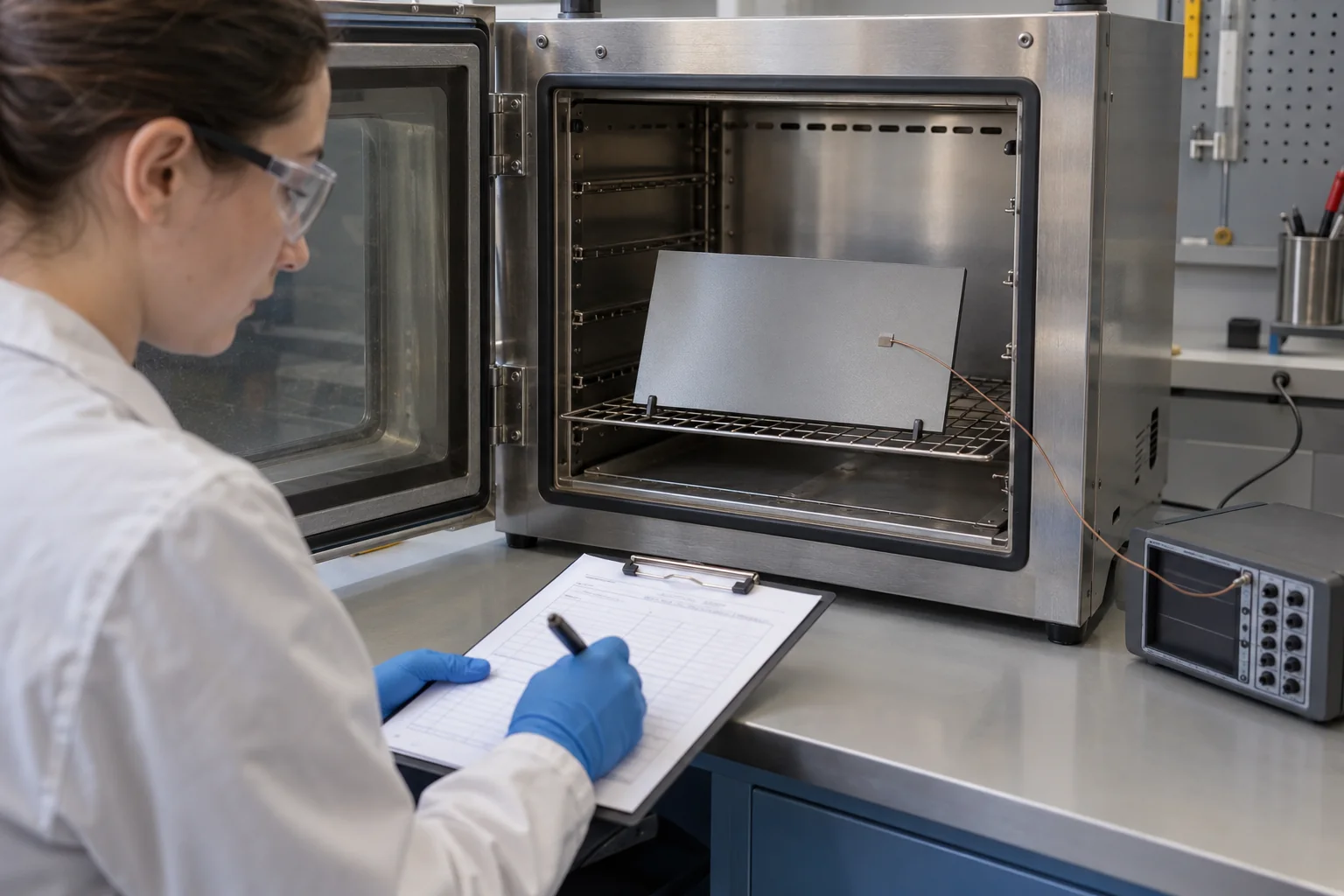
A sample prepared to approve colour or initial appearance does not by itself demonstrate behaviour under thermal cycling. State the purpose of the approval. Visual reference, application-method assessment and service evaluation require different evidence. Where a project trial is proposed, the responsible specialists should define panel material, preparation, layer arrangement and assessment conditions. These details determine what can reasonably be concluded from the result.
During first-sample approval, retain the temperature profile and coating system revision against which the assessment was made. An accepted appearance should not later be associated with a different curing programme or preparation method. Agree the criteria and timing for examining cracking, separation or other visible changes after thermal exposure. A positive sample result does not automatically include other equipment geometries, insulation arrangements or chemical exposures. Keep those boundaries visible in the report, along with any additional assessment required before the proposed system is extended to a materially different operating condition.
12. Support the quotation enquiry with a service and temperature data file
A useful technical enquiry contains more than a product name and material quantity. Provide equipment material, coating area, existing film condition and maintenance access alongside the temperature profile. Separate measured information from design estimates. Normal operation, short peaks, shutdown, cleaning and restarting can be described as individual operating states. This format helps the supplier recognise missing conditions and ask relevant questions before issuing a recommendation.
When submitting a heat-resistant coating quotation enquiry, add technical details to the packaging and quantity selection. The quotation basket gathers products and requirements for assessment; it does not constitute a purchase confirmation or service suitability approval. Include insulation, outdoor exposure, chemicals that can reach the surface, available maintenance time and commissioning arrangements. The requested response should identify the proposed system, application conditions, remaining data gaps and limits of the assessment, rather than merely repeating a temperature number. Keep assumptions in the returned recommendation visible so that procurement and operations know which facts still require confirmation.
A simple drawing identifying the equipment tag and measurement locations can make the supporting file more useful. Include recording dates, instrument information and the responsible author to prevent different periods being confused. Where equipment has not entered operation, do not fill the record as though measured data exist. Identify the design assumptions and conditions to be verified during initial operation. Retain the resulting technical assessment with the same file, creating a reference that can be revisited during future maintenance or after a change in operating duty.
13. Reassess previous approval when operating conditions change
A fuel change, increased capacity, replacement insulation or a revised cleaning procedure can alter the coating's exposure. Equipment can look unchanged while its duty has become different. If the information behind the earlier technical approval is available, compare it with the new condition. Retain temperature records and product assessments in the maintenance file, together with the date and reason for significant operating changes.
If deterioration appears after a change, use the industrial coating defect root-cause analysis approach to examine records and conditions together. Reducing the issue to “the paint could not withstand the temperature” may overlook preparation, an old layer, commissioning or moisture exposure. Establish the changed duty before defining a repair system. Record damage location, appearance, the operating state in which it was observed and available coating history. That evidence helps the technical assessment move beyond assumptions, while making clear which parts of the original recommendation remain applicable and which need renewed evaluation.
14. Approve an operating scenario, rather than matching one number
Heat-resistant paint selection is more comprehensive than attaching a temperature label to equipment. Describe metal surface temperature, duration, cycles, moisture, chemicals, insulation, existing film and commissioning together. The selection file should show which information was measured, which remains assumed and which document revision supports the assessment. An unknown operating condition should not be presented as though it has already been approved.
- Are coated-metal temperature and internal process temperature distinguished?
- Are continuous duty, intermittent peaks and thermal cycles described separately?
- Have shutdown moisture and any use beneath insulation been considered?
- Does the assessment include every layer and the existing coating?
- Are current application, curing and return-to-service instructions available?
Request a project-specific technical assessment using these details to compare options against the same duty. The catalogue archive provides identity and historical product information. Current instructions, service review and any appropriate test evidence provide the basis for selection. Instead of pursuing the highest temperature figure, identify a system whose documented scope addresses the intended conditions and whose application and commissioning can be managed within the actual maintenance programme.
Technical sources and document limitations
- Nanomix heat-resistant paint technical catalogue archive: silicone-resin product description; archived temperature, thinning and drying statements do not replace current project approval.
- Hempel CUI and high-heat technical approach: a general manufacturer reference distinguishing insulated and uninsulated duty; another brand's qualifications are not transferred to Nanomix.
- Jotun Solvalitt official product scope: a reference showing product-specific temperature and system compatibility statements, not a comparative claim or Nanomix performance declaration.