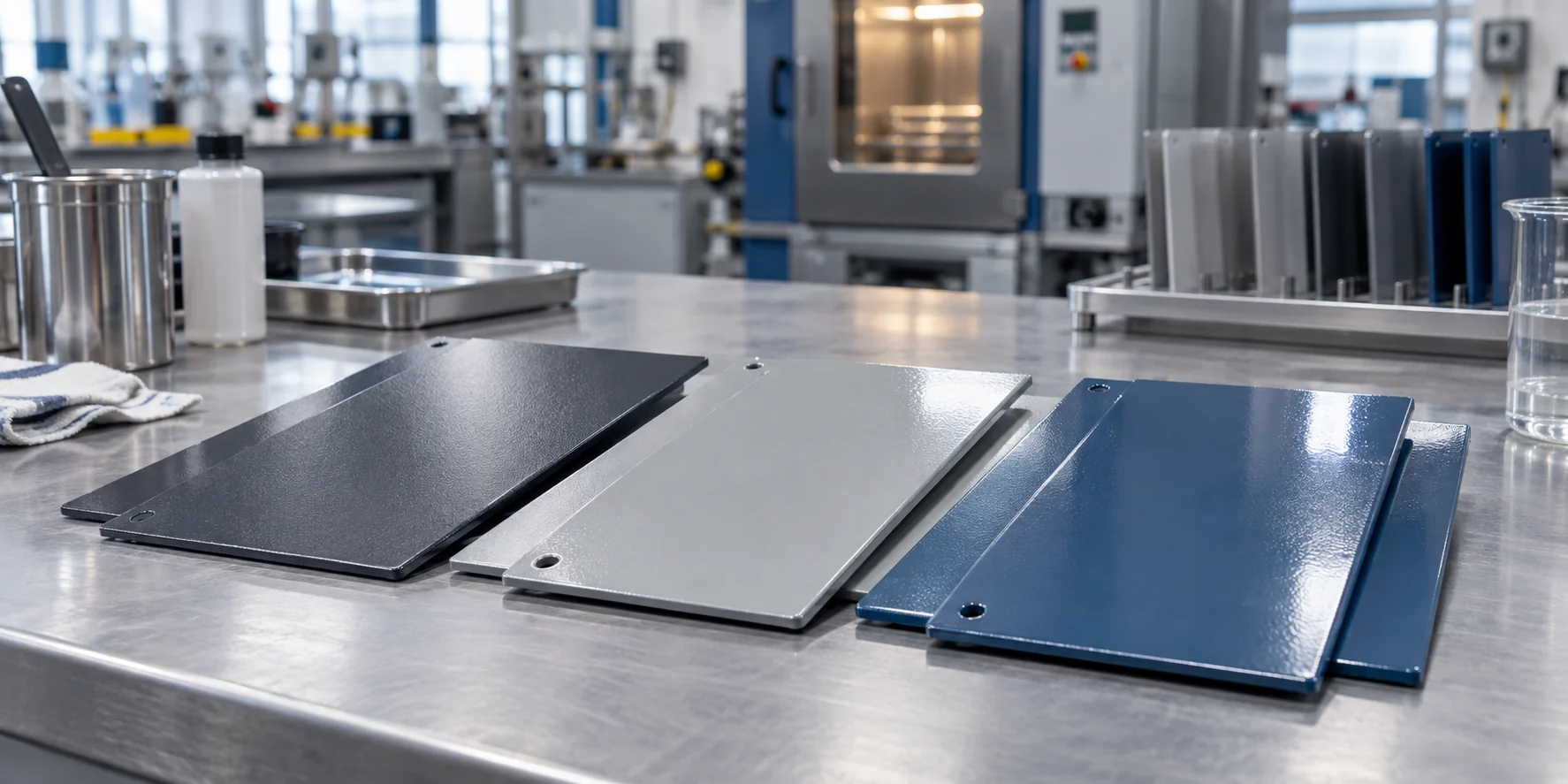
Compare industrial coating quotations using preparation, system scope, consumption, downtime and maintenance costs.
Align the scope before comparing quotations
A quotation for finish alone cannot be compared directly with one including primer and auxiliaries. Request preparation, product codes, coats, colour and supply scope in a common schedule. Identify excluded work and any unresolved technical assumptions explicitly.
Translate theoretical consumption into procurement quantities
Area, specified film build, coverage information and practical losses are separate inputs. Geometry, overspray and mixed material remaining at batch end can change cost. Rather than calculating false precision from unverified density or volume-solids figures, make missing data part of the technical enquiry.
Make downtime and rework visible
A lower unit price can produce a higher total cost if additional coats or longer queues are required. Track labour, equipment cleaning, expired mixed material and rejected work separately. Evaluate changes through approved trials and production results, not purchasing savings alone.
Technical framework: from substrate to system
An industrial coating specification must connect service exposure with the capabilities of the production line. Steel, galvanised steel, aluminium and previously coated surfaces cannot automatically share the same preparation procedure. Choosing by resin name alone is incomplete without identifying whether the component will operate outdoors, face chemical splashes or remain in a dry interior. Chemical identity, concentration, temperature and duration of contact all matter.
Define the system as primer, any required intermediate coat, finish and approved thinner. Similar product names are not evidence of intercoat compatibility. A sample prepared or applied differently from production may not represent the finished component. Technical approval should ensure that purchasing, application and inspection teams use the same product codes and document revisions.
Start this assessment with the Industrial Coatings range and refer to the coatings glossary for terminology.
Example project scenario
Define a common trial batch when comparing two supply options. Use the same substrate, colour, application method and acceptance criteria. Record accepted coated area as well as purchased material. Include preparation and rework in the comparison so that a low purchase price can be distinguished from a genuinely efficient process.
Checks before making the decision
- Scope: use a common schedule including primer, finish and thinner.
- Data: state units and technical assumptions explicitly.
- Production: measure consumption per accepted coated area.
- Decision: assess price alongside downtime, labour and maintenance.
Relevant products and system components
These records support comparison and technical discussion. Listing them together does not constitute an approved application system for every condition. Follow the links for packaging, technical scope and product-specific questions.
Nanomix Epoxy Primer
Epoxy Primer is a professional primer that promotes more uniform topcoat adhesion and provides a controlled foundation for the coating system.
Application scope: Prepared metal, light metal or other suitable industrial surfaces.
Nanomix Epoxy Topcoat
Nanomix Epoxy Topcoat is a two-component, epoxy resin-based gloss finish for metal, wood and mineral substrates, as described in the technical catalogue.
Application scope: Metal, concrete and other mineral substrates, and wood; machinery, general industrial and marine applications. Continuous immersion and resistance to specific chemicals require separate technical confirmation.
Nanomix Quick-Drying Industrial Paint
Quick-Drying Industrial Paint is a Nanomix coating solution developed to combine protection, an attractive finish and professional application performance on selected surfaces.
Application scope: Metal, wood, mineral or industrial surfaces specified in the product technical description.
Archived family reference; product-specific confirmation required (PDF)
Nanomix Gloss Polyurethane Topcoat
Gloss Polyurethane Topcoat is a Nanomix coating solution developed to combine protection, an attractive finish and professional application performance on selected surfaces.
Application scope: Metal, wood, mineral or industrial surfaces specified in the product technical description.
Application, acceptance and maintenance planning
Do not restrict inspection to final appearance. Address preparation, cleanliness, application conditions, mixing records and wet and dry film checks at the appropriate stages. Instruments must suit the substrate and be checked before use; a single thickness reading cannot represent an entire component. Establish additional inspection points at edges, welds and inaccessible areas.
Touch dryness, handling strength and full chemical resistance are different release criteria. Tie dispatch, stacking and commissioning to the conditions in the current technical data sheet. Food contact, potable water, fire protection and continuous immersion require documented suitability for the exact product and system; they cannot be inferred from the coating family.
Preparing a technical enquiry and quotation request
Before contacting the technical team, prepare overall and close-up photographs. Identify substrate, any previous product, area or component count, colour and appearance requirements. State the application location, equipment and required completion date. Flag chemical contact, continuous immersion, food-related use or any other condition requiring specific documentation at the beginning of the enquiry.
Request separate identification of primers, finishes and auxiliaries alongside exact product codes. List unresolved technical values as items requiring written confirmation instead of filling them with assumptions. Keeping the approved sample, current technical data sheet and application records together allows purchasing and production to work from the same decision. Packaging information supports ordering, but product-page options do not represent live stock or a guaranteed delivery date.
Send your project details through the quotation request form or discuss unresolved questions with the Versan Boya team.
Frequently asked questions
Is the lowest price per kilogram the cheapest option?
Not by itself. Unit price becomes meaningful only with equivalent system scope, applied performance and actual consumption. Waste, coat count, preparation and rework can change the overall result.
What information should a technical enquiry contain?
Provide substrate, existing coating, exposure, area, colour, application method and schedule. State special chemical contact or certification requirements at the outset; an undefined application cannot support a definitive performance commitment.
Sources and technical scope
This article is based on Versan Boya product records, the site's technical descriptions and available archived Nanomix catalogue documents. An archived document does not replace a current technical data sheet. Confirm numerical application values, system compatibility and special-use approvals for the selected product before ordering. The scenario is illustrative and is not presented as a completed customer project or a performance test.
Editorial archive date: 7 February 2026. This new content was prepared and updated on 25 September 2026. Archive ordering does not imply that the article was previously published.
Explore the subject further
- Specifying a Steelwork Coating System: From Exposure to Inspection
- Choosing Machinery Paint: Production Speed, Assembly and Appearance
- Epoxy Flooring: Concrete Moisture, Loads and Return to Service
- Industrial Coating Defects: Diagnosing Orange Peel, Craters and Adhesion Loss
Related technical publication: Metal Surface Preparation: Abrasive Blasting, Cleaning and Disciplined Film Thickness Measurement.