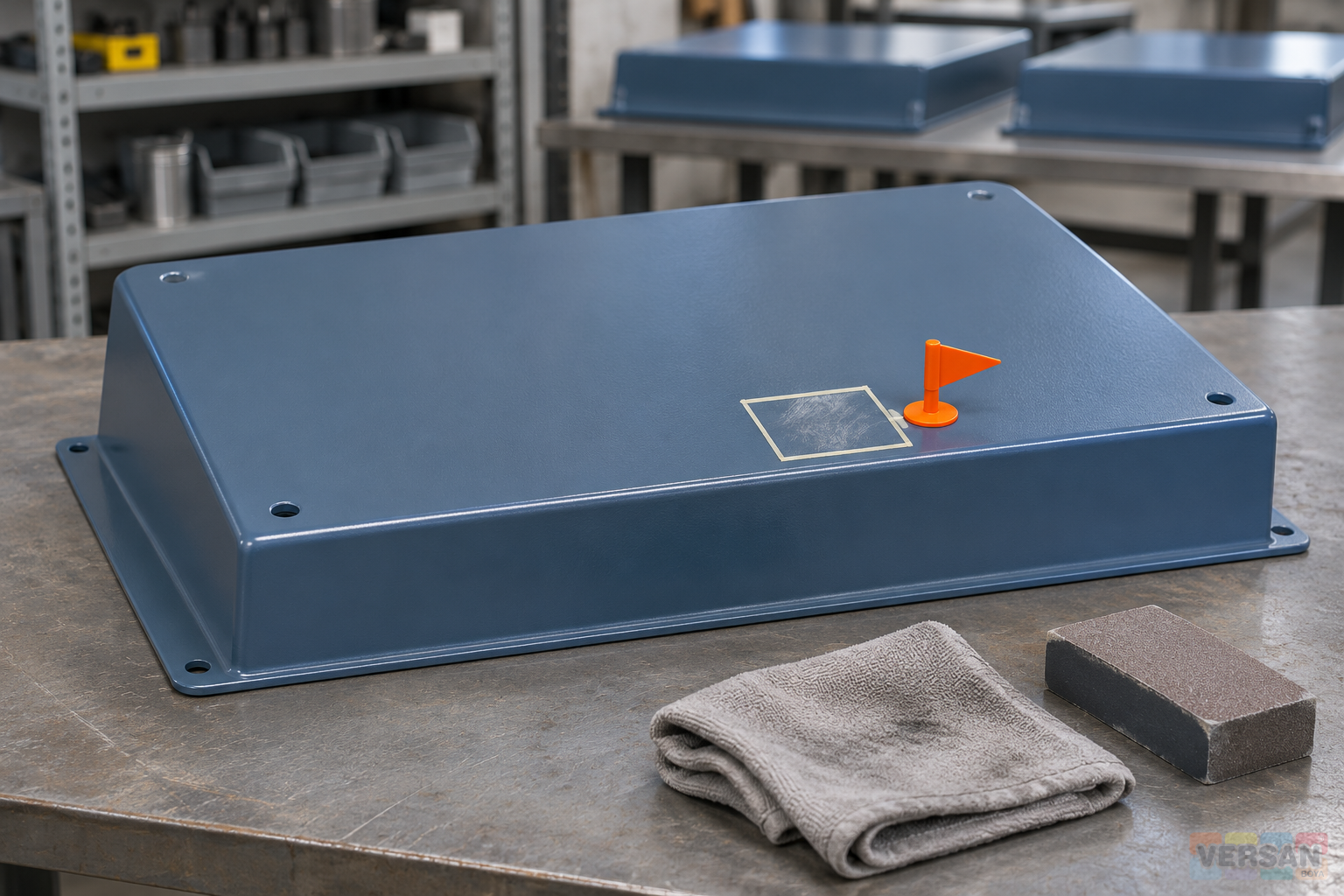
Link the rework event to the original job
When an inspector sets a painted steel cover aside, the workshop needs to know how much of the batch is affected, what action is approved and which resources that action uses. The estimator needs a related but different record. Routine first-pass coating, defects requiring correction and new work requested after the quotation can all consume the same materials and labour. Once they share a single total, it becomes difficult to see whether the original scope was wrong or an operation was repeated. Open a rework record against the original job order so that the team can trace the initial scope, the inspection result and the work subsequently authorised.
On an industrial paint job, keep the original estimate and its scope revision available to the person coding the extra effort. Record which protection, preparation, coats and inspections would have happened on the first pass. Record additional operations against the event that required them. If a replacement part was specified during a customer-approved change, keep that change tied to its own order. The article on quotation exclusions and added items describes the commercial scope decision. An operator recording a second coating pass should be able to identify why the work was authorised without making a decision about who ultimately bears its cost.
Assign a stable event number and attach the item, affected surface, date found and evidence. Where the event touches more than one batch or work area, add the related identifiers rather than copying the record. The industrial coating systems catalogue may help the inspector name the family, but the job record needs the actual product, batch and approved coating sequence. A visible defect, its suspected cause and an approved disposition are separate facts. Rework may be necessary before the underlying cause can be determined. Record the outlay as it occurs while keeping the preliminary explanation open for review.
Measure the affected area and the work area independently
A defect on the edge of a painted cover may lead to work across a whole visible face. A different defect can be resolved after additional inspection with no coating applied. Enter the observed footprint, the scope authorised for correction and the area actually worked in different fields. An instruction to prepare a blend area can enlarge the work footprint beyond the visible flaw. The procedure and project acceptance requirement determine the boundary. Include the unit and the basis of measurement, such as a marked drawing or a measured part face, so another shift can verify the extent.
For a batch of parts, note the unique items affected, the faces treated and the repeated operations. An area passing through two corrective coats can contribute to the operation area twice while still counting once as physical surface. Explain the distinction when comparing labour and material figures across projects. A small return along a folded flange may need separate preparation even if a nominal flat area ignores it. Conversely, using the complete part area when only a defined face was repaired will dilute the reported unit cost. The guide to touch-up and recoating on polyurethane-coated metal explains the technical decision. The cost record should carry the outcome of that decision and its actual scope.
For field work, attach the location sketch and a date to each change in boundary. A lift reservation or a protected access aisle may cover a much larger footprint than the part being recoated. Keep such areas visible for planning and distinguish them from surfaces treated. This matters when one corrective task blocks a route used by another team. The coating crew may complete its work quickly while a larger bay remains restricted pending release. Assign access restrictions and release status to the event, then record their financial impact only if the relevant method and evidence support an actual amount.
Account for material consumption at the point of use
A store issue describes stock transferred out. A consumption record describes how much was used, retained or otherwise accounted for. The two amounts can differ. Record the exact product identity, component where relevant, lot, unit and evidence of use. Someone reviewing the record should be able to distinguish an unopened container returned to inventory from mixed residue disposed of after application. Weighing or inventory logs can help establish quantities where the work method allows, provided the basis and unit are recorded. If the only available value is a planning allowance, label it as estimated until a verifiable material movement or measurement is available.
The NanoMix archive lists Nanomix epoxy primer and Nanomix epoxy topcoat separately and relates a theoretical coverage example to dry film thickness. When documenting corrective work, link quantity to the actual material and operation. A catalogue example will not establish the consumption of a particular repair. Preparation of a small batch, residue in equipment and the area of the actual application are all relevant to the distinction between issued and used material. Use the approved current technical documents for application criteria and the site record for amounts. Avoid treating generic coverage as a measured outcome.
Also track the quantities of thinners and auxiliaries that the procedure assigns to the work. The existence of a product such as Nanomix quick-drying industrial thinner does not say where it can be used in a particular project. Compatibility and permitted quantities come from the authorised technical instructions. Distinguish application materials from items used for equipment cleaning, protection or disposal. If one container serves several activities, record its shared use and apply a documented allocation only where the basis is defensible. The reporting system should allow a case to stay open if a return or disposal record is still pending.
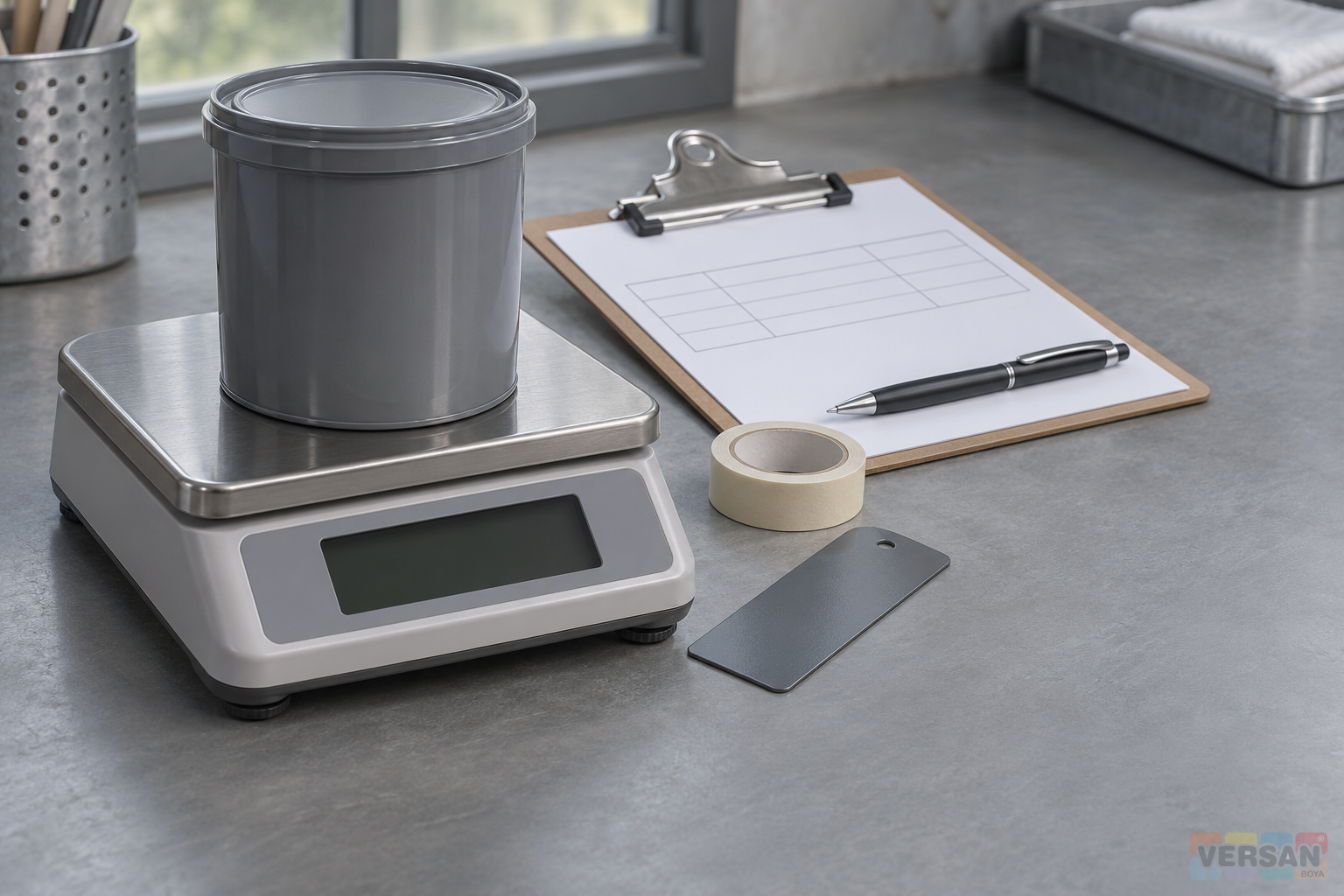
Separate person-hours, equipment use and elapsed time
A record of the shift that carried out a repair does not show the hours worked on that repair. Identify the time spent locating and isolating the item, protecting other surfaces, preparing the correction, applying the approved coating, inspecting again and returning the equipment to service. Staff can move between normal production and corrective work during a shift. Use work-order records or a short interval log that can be confirmed by the supervisor. A coating booth or a mobile lift may also be committed to the job for a period that differs from the crew's hours. Record the equipment interval under its own cost basis.
Elapsed time between inspection and release can affect delivery even when nobody is assigned to the item. Log the receipt of the finding, the start and end of corrective activity, any technical wait and the final release. A waiting process may block an installed line while a workshop part sits off the main schedule. For systems recorded as quick-drying industrial primer and industrial rapid finish, link the actual stages to the treatment plan and current technical documents. Do not judge readiness based on a commercial family name. Knowing the time lost to access, preparation or inspection is usually more useful to the next estimator than an undifferentiated total gap.
The original NIST study on manufacturing maintenance treats labour spent on rework separately from discarded output and acknowledges the difficulty of estimating lost sales. Those distinctions are useful in reporting an individual event. Labour, material consumed, approved equipment time and external work supported by records can form a direct-cost subtotal. Potential capacity loss or a missed sales opportunity depends on a different set of assumptions. Report it separately and identify the evidence. An equipment rate or a loaded labour rate may already include an allocated expense. Consult the agreed costing basis before adding that same expense again in a separate line.
Track inspection, correction and scrap as different outcomes
A failed check can lead to a new examination, a repair procedure, an approved release or removal from the work order. Define which steps count as direct rework for the project and separate the records of additional inspections. For example, an item may need another documented observation but no second coat. The event can still affect labour or throughput while using no extra coating material. For a product such as Nanomix gloss polyurethane topcoat, the surface, condition of the existing coating and the applicable criteria determine the technical action. The cost record follows that action after approval rather than prescribing it.
An item sent for scrap may have already received preparation and coating. Track the actual disposal outcome and any previous corrective work without counting the same resource twice. If an equivalent item is made to replace it, identify whether the replacement cost includes the initial resource already captured elsewhere in the accounts. If the same item returns to inspection after a failed correction, use a linked second operation to retain the first attempt. A repeat finding on a distinct area may warrant its own record. The point is to see the number of events, the operations they required and their cost without losing the history of individual parts.
At closure, both the inspector and the cost owner should be able to verify what happened. The accepted quantity, date, criterion and reviewer close the technical case. A pending labour reconciliation or supplier invoice may leave the financial case open. Distinguish a confirmed internal cost, a proposed commercial charge and an amount accepted by another party. For epoxy coating products as for other systems, grouping by coating family can be helpful, provided the comparisons describe the different substrates, procedures and access conditions. Report an outstanding commercial item without treating it as a reason to leave an otherwise documented technical release unresolved.
Keep observed facts apart from plausible causes
The form should be usable before the investigation is complete. A mark photographed during a final check is an observation. A statement that it was made during handling is a hypothesis until the evidence supports it. Record the sequence of custody, the affected parts, the timing and any photographs tied to them. Track the time spent investigating with a distinct activity code. If testing later supports an explanation, preserve who reviewed it and when. Where the evidence cannot distinguish between competing explanations, leave that uncertainty explicit. Even with no confirmed cause, documented actual labour and material use still belong in the event ledger.
Apply the same rule to costs. The amount first estimated for additional labour may change when timesheets arrive. The actual quantity returned to stock may differ from the initial balance. Keep the previous estimate, measured result and reason for revision. If a service invoice covers more than one incident, document the allocation basis or keep the cost pending instead of assigning a convenient fraction. A team using professional coating systems can apply the same method when normal operations, a technical check and a repair overlap in the same area. The record should state what the invoice or quantity covers before any aggregate comparison is attempted.
Work through a conditional example before using the data
Imagine a batch of steel covers separated at final inspection. Two are approved for corrective coating on the complete visible face. One remains on hold pending a further check. The two approved cases receive an area record, actual consumption and labour entries as the work proceeds. The held item receives the inspection record and any confirmed costs incurred so far. Activities that may happen the following day are shown in the plan as estimates. If the extra check clears the held item, nothing in the record should imply it also received a second coat. If a repair is authorised later, link it to the original observation and date the new scope.
When the finance review values actual quantities, compare them on a consistent basis with the original industrial paint quotation comparison. Addition of unit rates multiplied by verified quantities can establish direct costs if those rates and quantities use compatible units and no material is counted twice. If a small touch-up required a complete booth setup, the cost per square metre for that task may be high. Do not simply multiply it by the area of the next large job. Keep the fixed setup and variable treatment quantities visible. The industrial paint range shows different product categories, but events are comparable only to the extent that their work scope and conditions match.
Before sharing a unit rate, specify the population and denominator. Costs per event, per repaired item, per pass and per square metre describe different questions. Specify whether the denominator is unique area or repeated operation area. Keep open costs visible separately and avoid including hypothetical rework in the completed total. If different weeks group multiple visits into one event, make sure dates and identifier rules do not inflate the count when old events close. These checks are practical bookkeeping decisions. They let project teams analyse observed events and identify which assumptions deserve review before the next tender.
Turn the closeout into better estimates
Review repeat operations and their evidence at handover. Ask which work is genuinely repeated, whether the repeat originated from a documented technical condition or a commercial change, how the extra resources were recorded and what could realistically change in the next planning cycle. A supervisor might find that remobilising an inspection team took more time than applying the replacement coat. A procurement team may need to ask for earlier approval of a trial area or more precise definitions of visible faces. Use these findings to frame the next enquiry rather than assuming every similar application will incur the same proportion of rework.
The Versan Boya product range is a starting point for identifying the materials to discuss. Preserve the approved work instructions and actual product batches where the data will inform another quotation. Review people-hours against the task log, materials against the issue and return records, and extra inspection against its own evidence. The original price estimate remains a reference for scope and expressed assumptions. The rework record adds the actual outcome and an independent account of unconfirmed items. Where these records agree on area, once-only counts and clear status, the cost figures can inform the next job without obscuring the conditions that produced them.