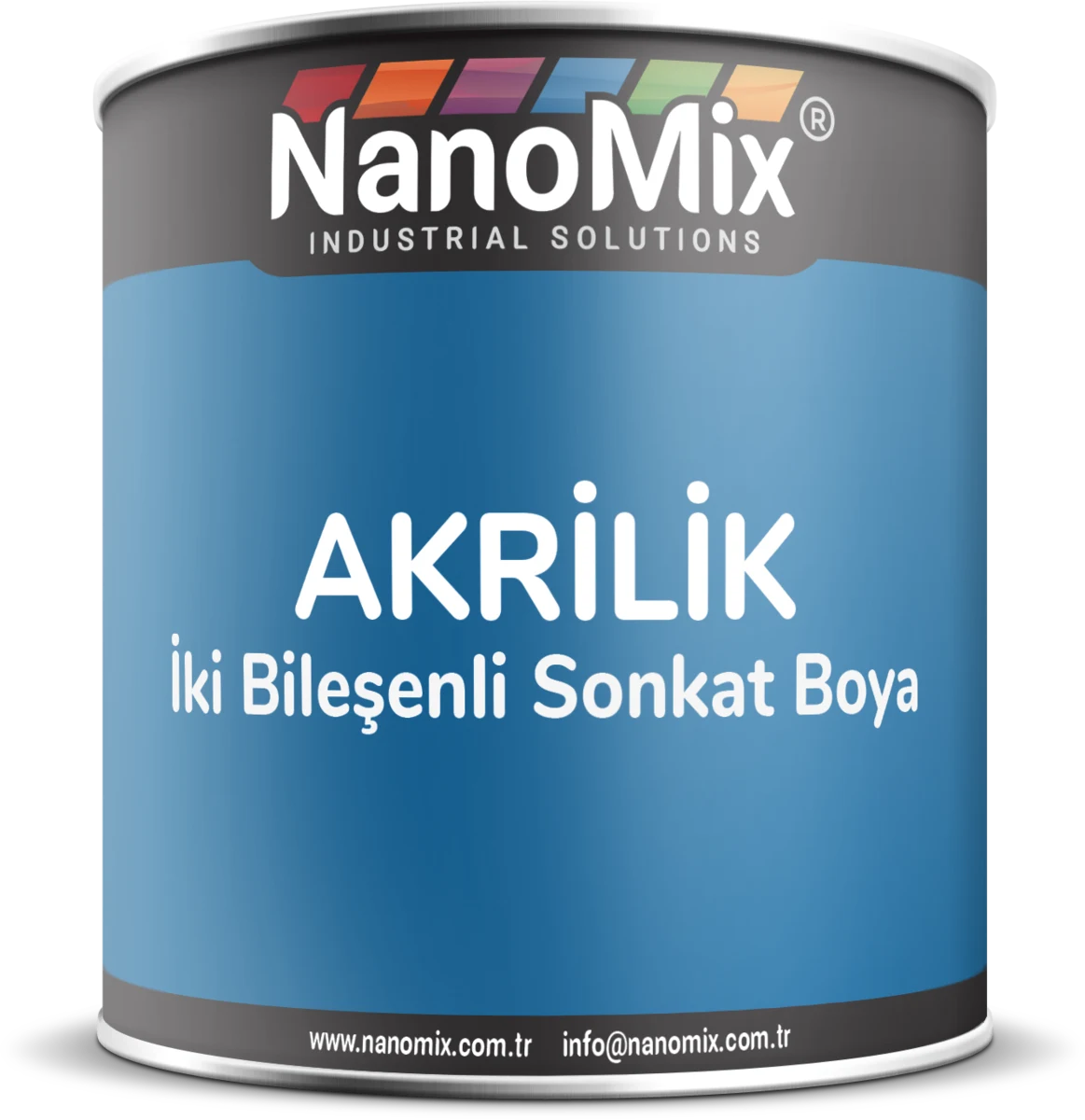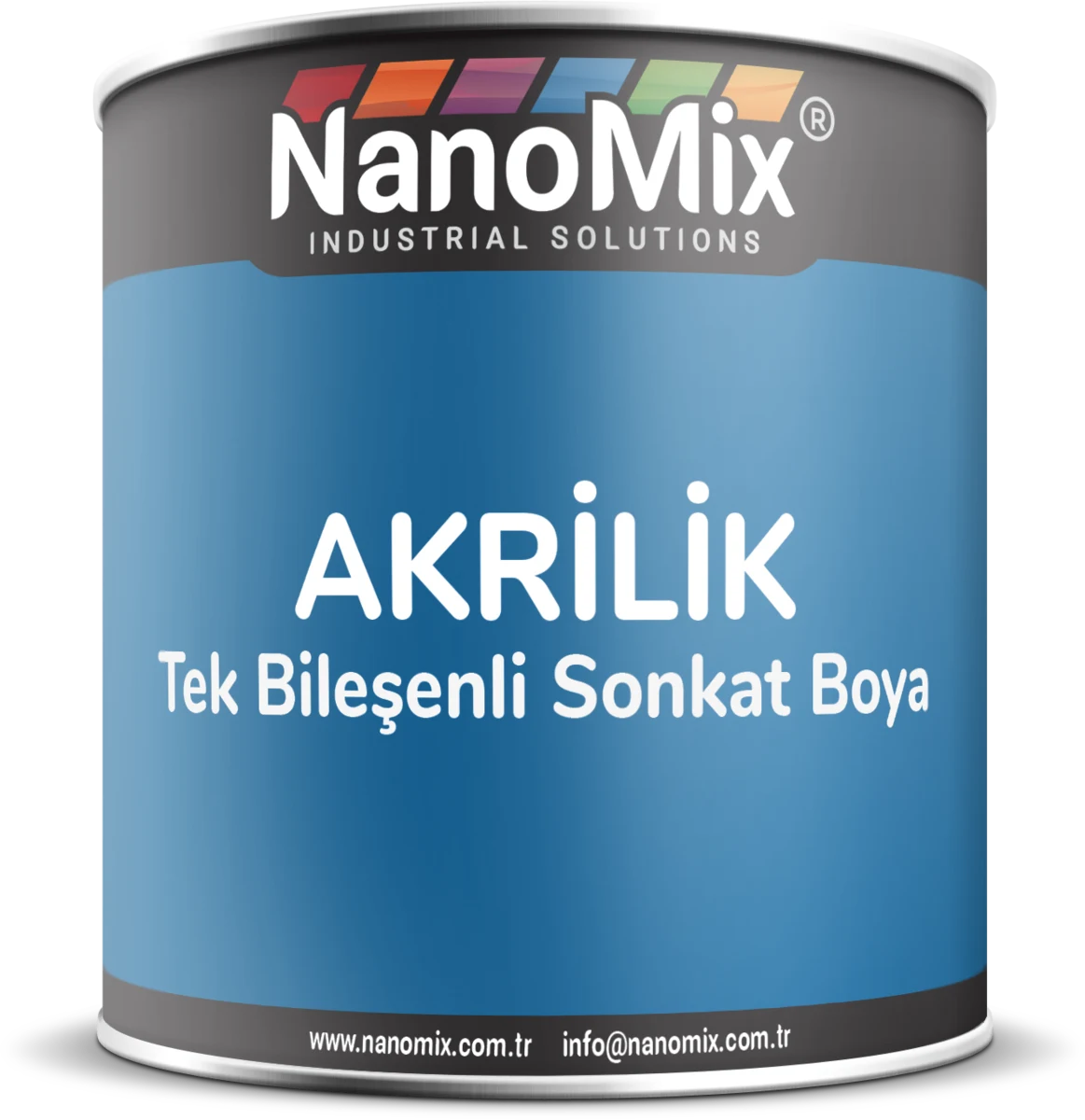
Nanomix Single-Component Acrylic Topcoat packaging
Versan
coating system
Acrylic Systems

Single-Component Acrylic Topcoat

Category
Acrylic Systems
Stock code
NMX-ACR-003

Single-Component Acrylic Topcoat is a Nanomix coating solution developed to combine protection, an attractive finish and professional application performance on selected surfaces.

  • Consistent film formation
  • Surface protection
  • A professional final finish
Build your quotationNo account · No payment

This is a quotation request, not a purchase. Pack size, colour and availability are confirmed in your quotation.

Review my quote basket 0

Our sales team will confirm colour, packaging and stock options according to your project requirements.
Product characteristics

Controlled performance
for the right surface.

When surface preparation, primer selection, ambient conditions and the recommended coating build are managed together, it delivers a uniform appearance and film performance appropriate to the intended use.

Areas of use

Metal, wood, mineral or industrial surfaces specified in the product technical description.

A complete system approach

Surface preparation, a compatible primer, the appropriate coating build and controlled environmental conditions are considered together.

Technical overview

Essential information for application planning

Values are compiled from the catalogue archive. Before application, verify them against the current technical data sheet for the relevant production batch, colour and project conditions.

System typeSolvent-based resin system
FinishDependent on product and colour selection
Recommended substrateSurfaces prepared for the specified system
ApplicationSpray, brush or roller
Thinning / mixing20% acrylic thinner
DryingTouch dry: 10–12 min · Ready for assembly: 2–4 h · Fully dry: 24 h
Theoretical coverage10–12 m²/kg (50–60 µm dry film)
Technical decision support

Assess the product, substrate
and application together.

Nanomix Single-Component Acrylic Topcoat: packaging options, selection criteria, detailed answers and technical references.

Packaging options

Choose the right pack size
for your project.

Explore pack sizes to suit your requirements and application plan.

Total net weight
3 kg
Pack size
Total net weight
15 kg
Pack size

Pack sizes are quotation preferences; packaging, colour and availability are confirmed by our sales team.

Key checks for application planning

Ambient temperature
5–50 °C
Substrate temperature
10–30 °C
Relative humidity
< 85%
Source
Catalogue archive · p. 24

The linked archive includes an entry for this product. It is a reference for planning, not a replacement for the current batch-specific technical data sheet.

Product selection guide

Single-Component Acrylic Topcoat: three decisions to make

01
Define the service requirements

For machinery components, fabricated parts and metal equipment, first establish the substrate, existing coating and service environment. Select the topcoat by considering appearance, maintenance expectations and exposure together, rather than colour alone.

02
Prepare the substrate and process

Remove oil, corrosion, dust and loose coatings. If an existing finish is to remain, assess adhesion and compatibility on a representative test area. Pay particular attention to film continuity at edges, welds and corners.

03
Confirm the system limitations

Outdoor weathering, UV exposure, chemical contact and continuous immersion impose different requirements. A listed use does not establish approval for every exposure duration or chemical concentration.

Frequently asked questions

Single-Component Acrylic Topcoat: detailed guidance

Five key topics for purchasing and application planning. Pack sizes follow the business packaging schedule; technical values must be checked against current documentation for the supplied product.

Where should Nanomix Single-Component Acrylic Topcoat be considered, and how should the substrate be assessed?

Single-Component Acrylic Topcoat is a Nanomix coating solution developed to combine protection, an attractive finish and professional application performance on selected surfaces. Listed applications: Metal, wood, mineral or industrial surfaces specified in the product technical description.

For machinery components, fabricated parts and metal equipment, first establish the substrate, existing coating and service environment. Select the topcoat by considering appearance, maintenance expectations and exposure together, rather than colour alone. Remove oil, corrosion, dust and loose coatings. If an existing finish is to remain, assess adhesion and compatibility on a representative test area. Pay particular attention to film continuity at edges, welds and corners.

Before specifying the product, provide the technical team with the substrate, existing finish, service exposure and intended application method. A representative trial helps establish adhesion and appearance; it does not replace the required system approval for demanding exposure. Outdoor weathering, UV exposure, chemical contact and continuous immersion impose different requirements. A listed use does not establish approval for every exposure duration or chemical concentration.

How should Nanomix Single-Component Acrylic Topcoat be prepared, mixed or diluted?

The product record lists: Solvent-based resin system. Preparation information: 20% acrylic thinner.

Choose the thinner for the resin system and application method. A shared product-family name does not establish identical dilution ratios or application viscosity across different products.

Check the exact product and component codes before starting. Weight and volume ratios are not interchangeable, and a packaging weight is not a mixing instruction. Where a hardener is required, confirm the ratio, induction time and usable pot life in the current technical data sheet. Record the quantities used; do not adjust a component ratio to change drying speed.

Which pack sizes are available for Nanomix Single-Component Acrylic Topcoat, and how should quantities be planned?

The quotation packaging preferences are: 3 kg can; 15 kg pail. Confirm the selected pack, colour and availability at quotation stage. Kilograms describe net mass and litres describe net volume; conversion requires the density of the supplied product.

The product record lists: theoretical coverage — 10–12 m²/kg (50–60 µm dry film). This is not a guaranteed site yield. Check whether the value refers to one coat, a specified film thickness, the mixed kit or the base component. Account for substrate texture, absorbency, application losses and the required number of coats.

Base the final purchase on a measured trial and the application schedule. For two-component kits, confirm the product-specific A/B split and prepare only quantities that can be used within the specified pot life. Keep unopened material in its original labelled packaging and follow the storage instructions; package size alone does not establish shelf life.

When can Nanomix Single-Component Acrylic Topcoat be recoated or put into service?

The product record lists: drying information — Touch dry: 10–12 min · Ready for assembly: 2–4 h · Fully dry: 24 h. Confirm the reference temperature, film thickness and test conditions before using these values in a production schedule. Additional archived conditions: Ambient temperature: 5–50 °C; Substrate temperature: 10–30 °C; Relative humidity: < 85%.

A surface that is dry to the touch is not necessarily ready for stacking, packaging or service. Treat these as separate stages when planning production.

Measure site conditions rather than relying only on the weather forecast. Substrate temperature, moisture, ventilation and the actual applied thickness can change the result. Obtain product-specific application limits and recoat instructions before work begins; do not copy temperature limits from a different resin family. Consult the safety data sheet for ventilation and handling requirements.

How should related products and the technical documents for Nanomix Single-Component Acrylic Topcoat be used?

Assess the complete sequence, including preparation, any primer or intermediate coat, the specified product and associated auxiliary materials. The related links on this page are options for technical assessment; a shared brand or resin-family name is not proof of compatibility.

The linked archive includes an entry for this product. It is a reference for planning, not a replacement for the current batch-specific technical data sheet. The download identifies the original catalogue page numbers. No publication date or revision is specified in the supplied source, so the website review date must not be read as a manufacturer document issue date.

Request the current technical and safety data sheets using the product code and intended application. Resolve any missing mixing ratio, recoat interval, exposure limitation or document discrepancy before use. The application guide supports planning and inspection; it does not establish a certified resistance class or replace a project-specific coating specification.

Downloadable technical reference

Nanomix technical catalogue archive

The linked archive includes an entry for this product. It is a reference for planning, not a replacement for the current batch-specific technical data sheet.

Source pages
24 · TR / EN catalogue
Document date / revision
Not specified in the source
Page content review
25 September 2026 · v2.0

This archive is not a current technical or safety data sheet. Page numbers refer to the original catalogue; the download contains the relevant extract only.

Related resources

Connect product selection with application planning

Linked products are candidates for technical assessment. Confirm component compatibility and application sequence for the specific project.

Application control

Reliable results begin
with a controlled process.

Apply to a sound, clean, dry and properly prepared surface using a compatible primer and thinner, observing the recommended recoating intervals.

Request technical documentation
  1. 01
    Assess the surface

    Evaluate the substrate, absorbency, moisture, corrosion and existing coating layers.

  2. 02
    Prepare the substrate

    Remove dirt, grease, dust and unsound material, then establish a suitable primer system.

  3. 03
    Control application conditions

    Set temperature, humidity, mixing, viscosity and recoating intervals in accordance with the technical data sheet.

  4. 04
    Verify the coating film

    Monitor uniformity, coating continuity and curing conditions throughout application.