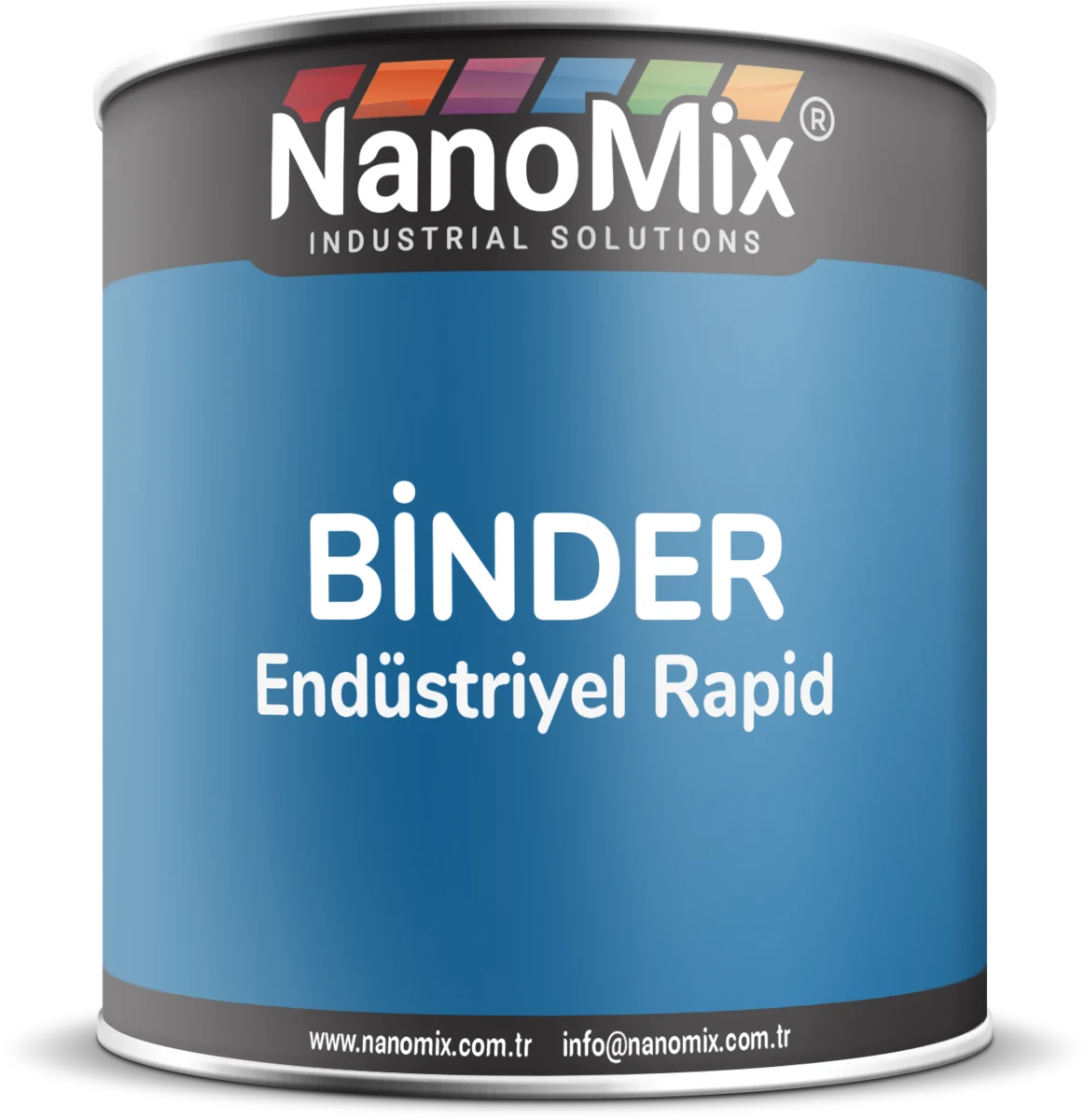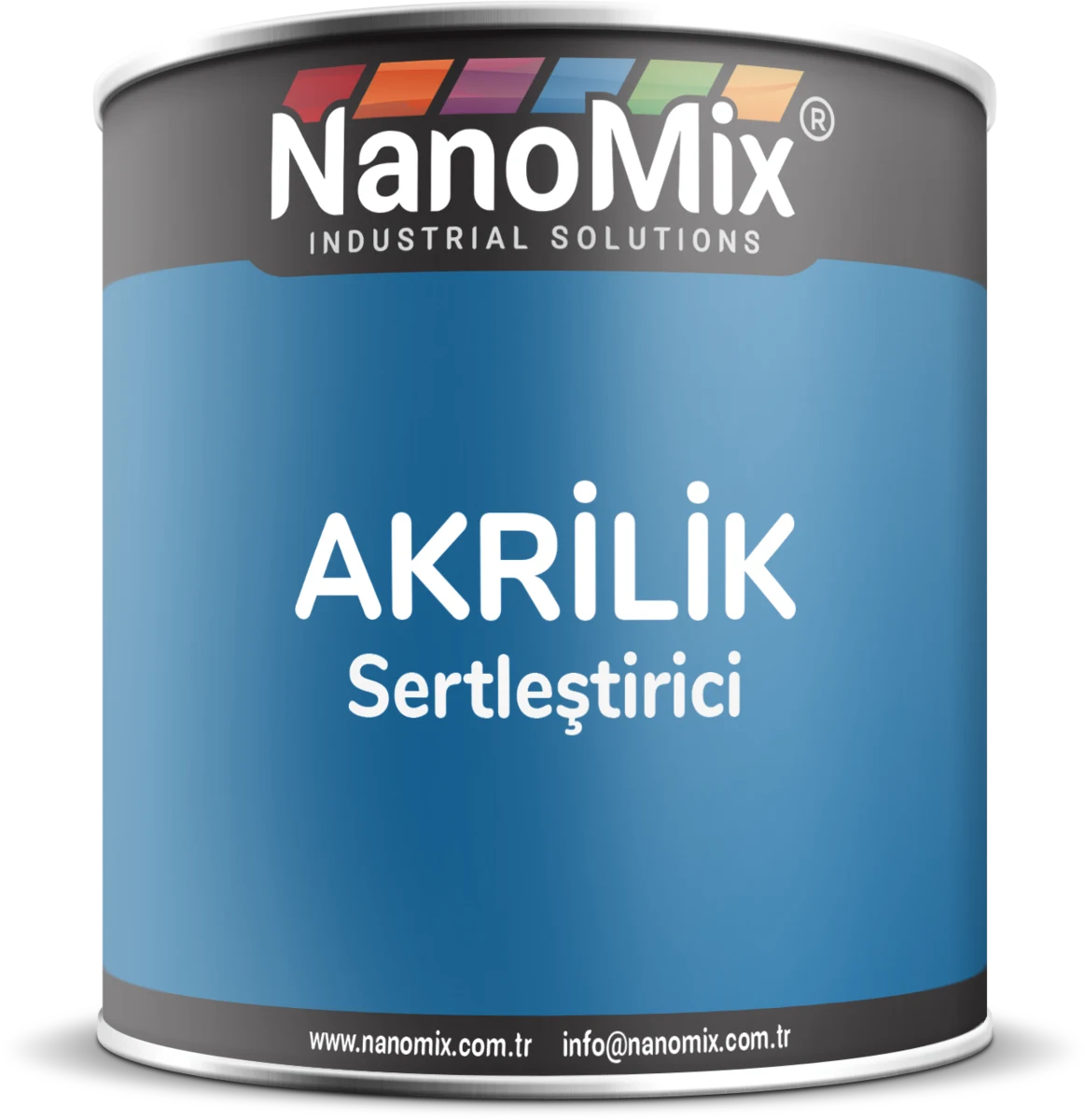
Nanomix Acrylic Hardener packaging
Versan
coating system
Binders and Ancillary Products

Acrylic Hardener

Stock code
NMX-AUX-001

Acrylic Hardener is a system component developed to complete the reaction and film performance of compatible two-component Nanomix systems.

  • Controlled curing
  • System performance
  • Consistent film formation
Build your quotationNo account · No payment

This is a quotation request, not a purchase. Pack size, colour and availability are confirmed in your quotation.

Review my quote basket 0

Our sales team will confirm colour, packaging and stock options according to your project requirements.
Product characteristics

Controlled performance
for the right surface.

When used with the appropriate product at the mixing ratio specified in the technical data sheet, it supports consistent curing, surface durability and application reliability.

Areas of use

Matching two-component topcoat, primer or varnish systems.

A complete system approach

Surface preparation, a compatible primer, the appropriate coating build and controlled environmental conditions are considered together.

Technical overview

Essential information for application planning

Values are compiled from the catalogue archive. Before application, verify them against the current technical data sheet for the relevant production batch, colour and project conditions.

System typeReactive system component
FinishSystem component
Recommended substrateMatching two-component system
ApplicationLow-speed mechanical mixer
Thinning / mixingRefer to the current technical data sheet
DryingAccording to the base-product data sheet or approved process
Theoretical coverageAccording to the base-product formulation, addition rate or cleaning plan
Technical decision support

Assess the product, substrate
and application together.

Nanomix Acrylic Hardener: packaging options, selection criteria, detailed answers and technical references.

Packaging options

Choose the right pack size
for your project.

Explore pack sizes to suit your requirements and application plan.

Total net weight
0.75 kg
Pack size
Total net weight
3 kg
Pack size

Hardener component only. Compatibility with the base product and pack size are confirmed at quotation stage. Pack sizes are quotation preferences; packaging, colour and availability are confirmed by our sales team.

Key checks for application planning

System type
Reactive system component
Application focus
Matching two-component system
Priority check
Correct A/B ratio and pot life
Document scope
Product-family archive

A separate technical sheet for this exact product is not available in the supplied archive. The linked extract describes the product family; its numerical values must not be transferred to this product without confirmation.

Product selection guide

Acrylic Hardener: three decisions to make

01
Define the service requirements

A hardener is a system component that reacts with its manufacturer-specified base. A shared resin-family name alone does not establish the correct pairing; verify the base and hardener codes together.

02
Prepare the substrate and process

Define the measurement basis, clean mixing container and batch quantity in advance. Check the condition and usability of an opened pack against its label and technical/safety documentation.

03
Confirm the system limitations

A hardener is not a standalone topcoat, surface protectant or universal paint additive. Do not plan application or consumption without identifying the base, ratio and working conditions.

Frequently asked questions

Acrylic Hardener: detailed guidance

Five key topics for purchasing and application planning. Pack sizes follow the business packaging schedule; technical values must be checked against current documentation for the supplied product.

Where should Nanomix Acrylic Hardener be considered, and how should the substrate be assessed?

Acrylic Hardener is a system component developed to complete the reaction and film performance of compatible two-component Nanomix systems. Listed applications: Matching two-component topcoat, primer or varnish systems.

A hardener is a system component that reacts with its manufacturer-specified base. A shared resin-family name alone does not establish the correct pairing; verify the base and hardener codes together. Define the measurement basis, clean mixing container and batch quantity in advance. Check the condition and usability of an opened pack against its label and technical/safety documentation.

Before specifying the product, provide the technical team with the substrate, existing finish, service exposure and intended application method. A representative trial helps establish adhesion and appearance; it does not replace the required system approval for demanding exposure. A hardener is not a standalone topcoat, surface protectant or universal paint additive. Do not plan application or consumption without identifying the base, ratio and working conditions.

How should Nanomix Acrylic Hardener be prepared, mixed or diluted?

The current website record, which requires product-specific confirmation, lists: Reactive system component. Preparation information: Refer to the current technical data sheet.

Increasing hardener quantity is not an appropriate way to obtain faster or stronger cure. Maintain the approved A/B ratio, keep weight and volume units distinct, and do not substitute different hardener codes.

Match the auxiliary product code to the approved operation before dispensing. Use the stated weight or volume basis, suitable measuring equipment and the documented order of addition. Carry out a small-scale compatibility or cleaning trial where required. Do not substitute another thinner, binder or hardener solely because its name or appearance is similar.

Which pack sizes are available for Nanomix Acrylic Hardener, and how should quantities be planned?

The quotation packaging preferences are: 0.75 kg tin; 3 kg tin. Confirm the selected pack, colour and availability at quotation stage. Kilograms describe net mass and litres describe net volume; conversion requires the density of the supplied product.

This is an auxiliary material or formulation component. Plan its quantity from the approved base-product formulation, cleaning process or addition rate, rather than treating it as a standalone coating with a square-metre spreading rate. Include the actual production or cleaning workload in the calculation.

Record actual consumption during a representative production or cleaning trial, then scale it to the planned workload. Avoid treating an estimated addition rate as a universal recipe. Confirm whether the purchase concerns an individual component or a complete set. Keep material in its original labelled container and follow the technical and safety documentation for storage.

How does Nanomix Acrylic Hardener affect process timing and application conditions?

An auxiliary product does not have the same drying or service-readiness criteria as a completed coating. Use the approved base-product process, evaporation requirements or reaction schedule to plan the next operation.

Pot life and full cure apply to the system prepared with the matching base. Once usable life has expired, do not attempt to restore the mix by adding thinner or fresh hardener.

Measure site conditions rather than relying only on the weather forecast. Substrate temperature, moisture, ventilation and the actual applied thickness can change the result. Obtain product-specific application limits and recoat instructions before work begins; do not copy temperature limits from a different resin family. Consult the safety data sheet for ventilation and handling requirements.

How should related products and the technical documents for Nanomix Acrylic Hardener be used?

Assess the complete sequence, including preparation, any primer or intermediate coat, the specified product and associated auxiliary materials. The related links on this page are options for technical assessment; a shared brand or resin-family name is not proof of compatibility.

A separate technical sheet for this exact product is not available in the supplied archive. The linked extract describes the product family; its numerical values must not be transferred to this product without confirmation. The download identifies the original catalogue page numbers. No publication date or revision is specified in the supplied source, so the website review date must not be read as a manufacturer document issue date.

Request the current technical and safety data sheets using the product code and intended application. Resolve any missing mixing ratio, recoat interval, exposure limitation or document discrepancy before use. The application guide supports planning and inspection; it does not establish a certified resistance class or replace a project-specific coating specification.

Downloadable technical reference

Nanomix product-family catalogue archive

A separate technical sheet for this exact product is not available in the supplied archive. The linked extract describes the product family; its numerical values must not be transferred to this product without confirmation.

Source pages
35 · TR / EN catalogue
Document date / revision
Not specified in the source
Page content review
25 September 2026 · v2.0

This archive is not a current technical or safety data sheet. Page numbers refer to the original catalogue; the download contains the relevant extract only.

Related resources

Connect product selection with application planning

Linked products are candidates for technical assessment. Confirm component compatibility and application sequence for the specific project.

Application control

Reliable results begin
with a controlled process.

Combine with the base component only at the ratio and in the mixing sequence specified in the current technical data sheet. Use within the stated pot life.

Request technical documentation
  1. 01
    Identify the process

    Confirm the exact base product, formulation or cleaning operation and the required auxiliary product code.

  2. 02
    Check compatibility

    Confirm component compatibility, substrate sensitivity and the approved addition or cleaning method.

  3. 03
    Control preparation

    Use suitable measuring and mixing equipment; distinguish weight from volume and follow the specified sequence.

  4. 04
    Verify the result

    Check the small-scale trial, process conditions and readiness for the next operation before full production.